
Madeira · Madeira · Portugal
Madeira in November: A Nature-First Week on Portugal's Wildest Island
Verdict A mountain holiday with an ocean around it.
A personal Madeira travel guide for a nature-first week in November, with Funchal, Cabo Girão, Ponta de São Lourenço, levada walks, Porto Moniz and Pico do Arieiro.
Quick facts
- Best time
- November worked well for us, but the days are short and the weather can change quickly.
- Trip length
- A week was enough to see a lot of Madeira, especially with a car and split bases.
- Where to stay
- Use Funchal or São Martinho for the city, then move west if you want to reduce driving.
- Good for
- Hiking, levada walks, viewpoints, volcanic coastlines and nature-first travel.
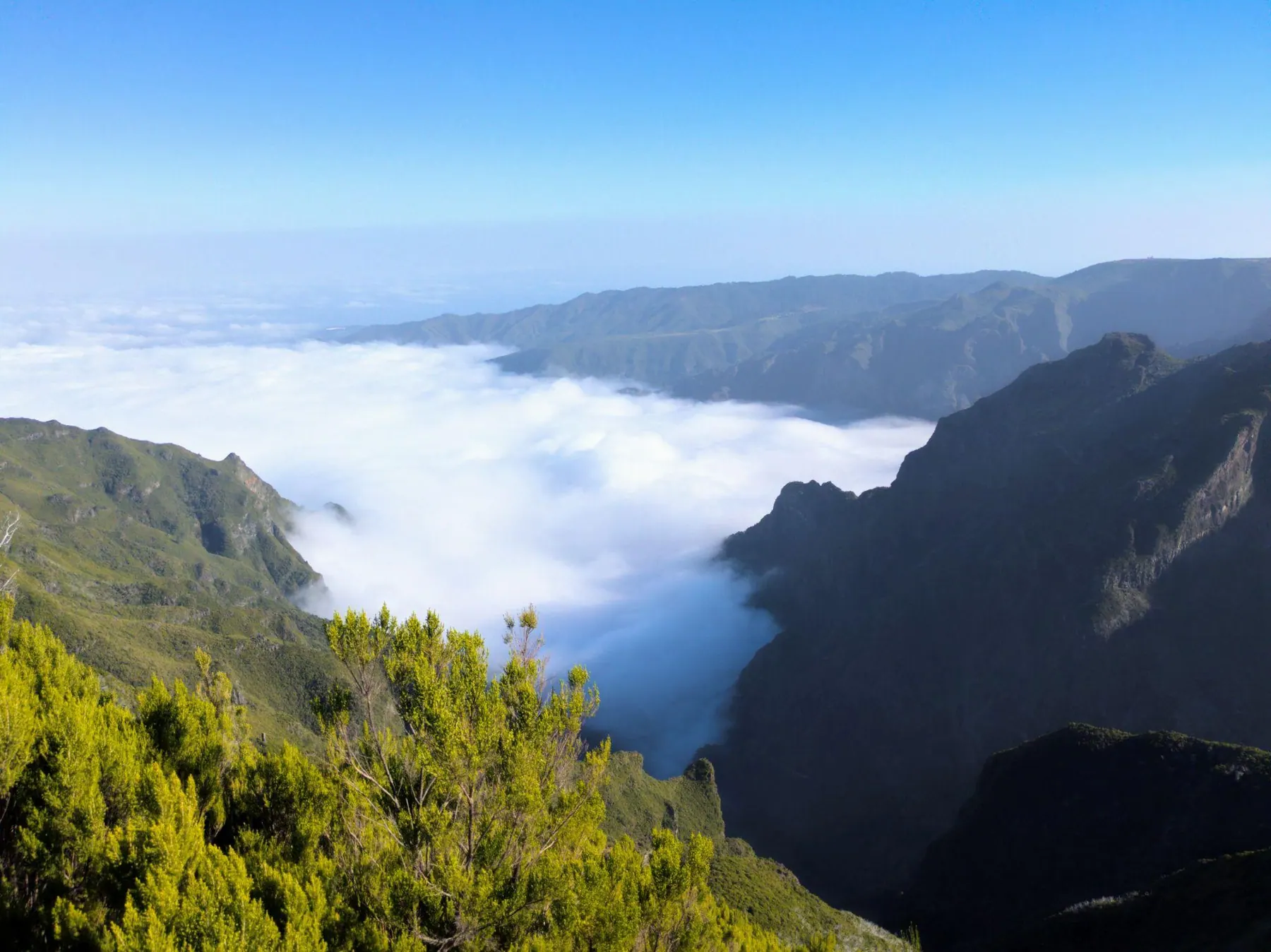
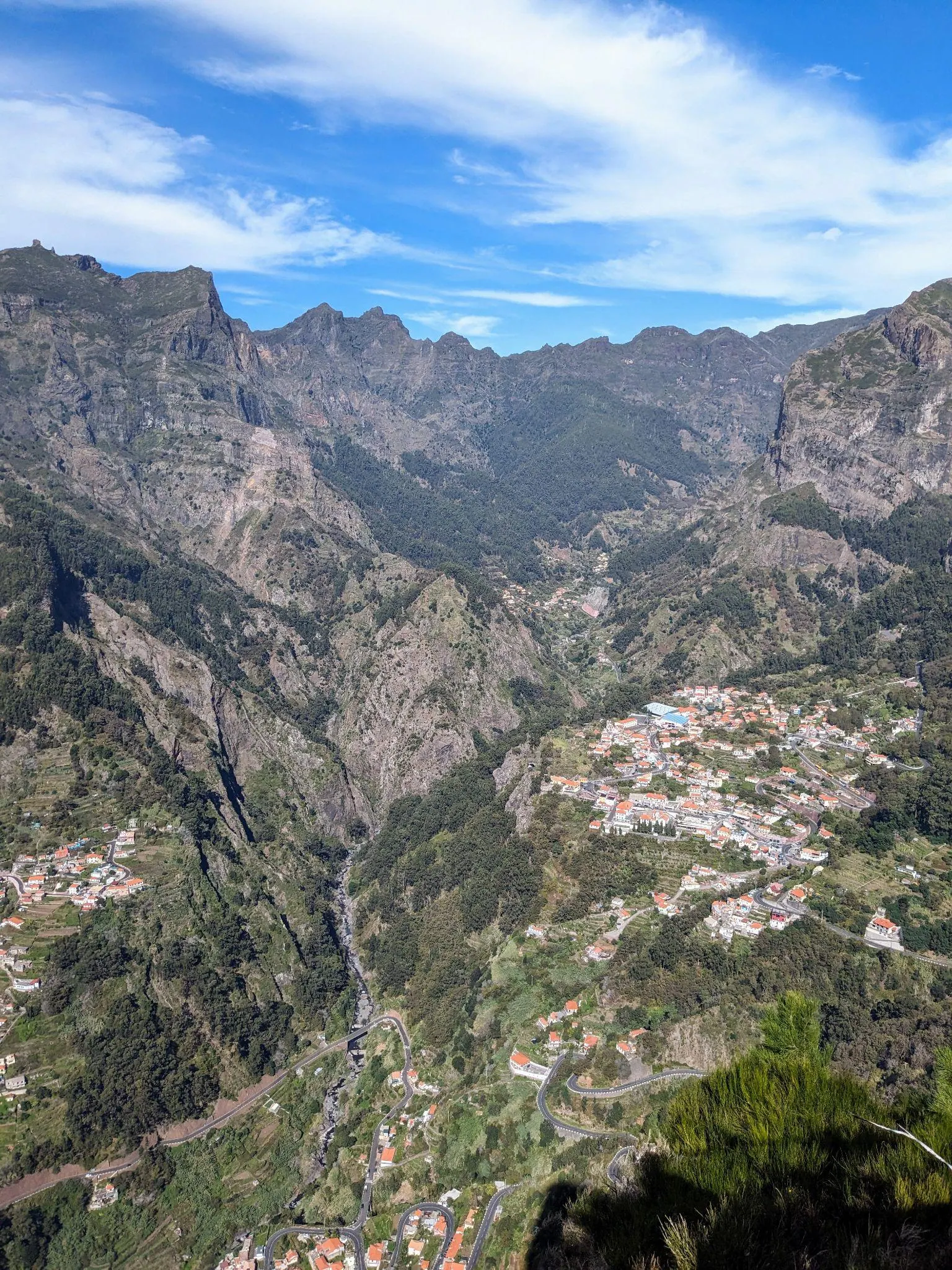
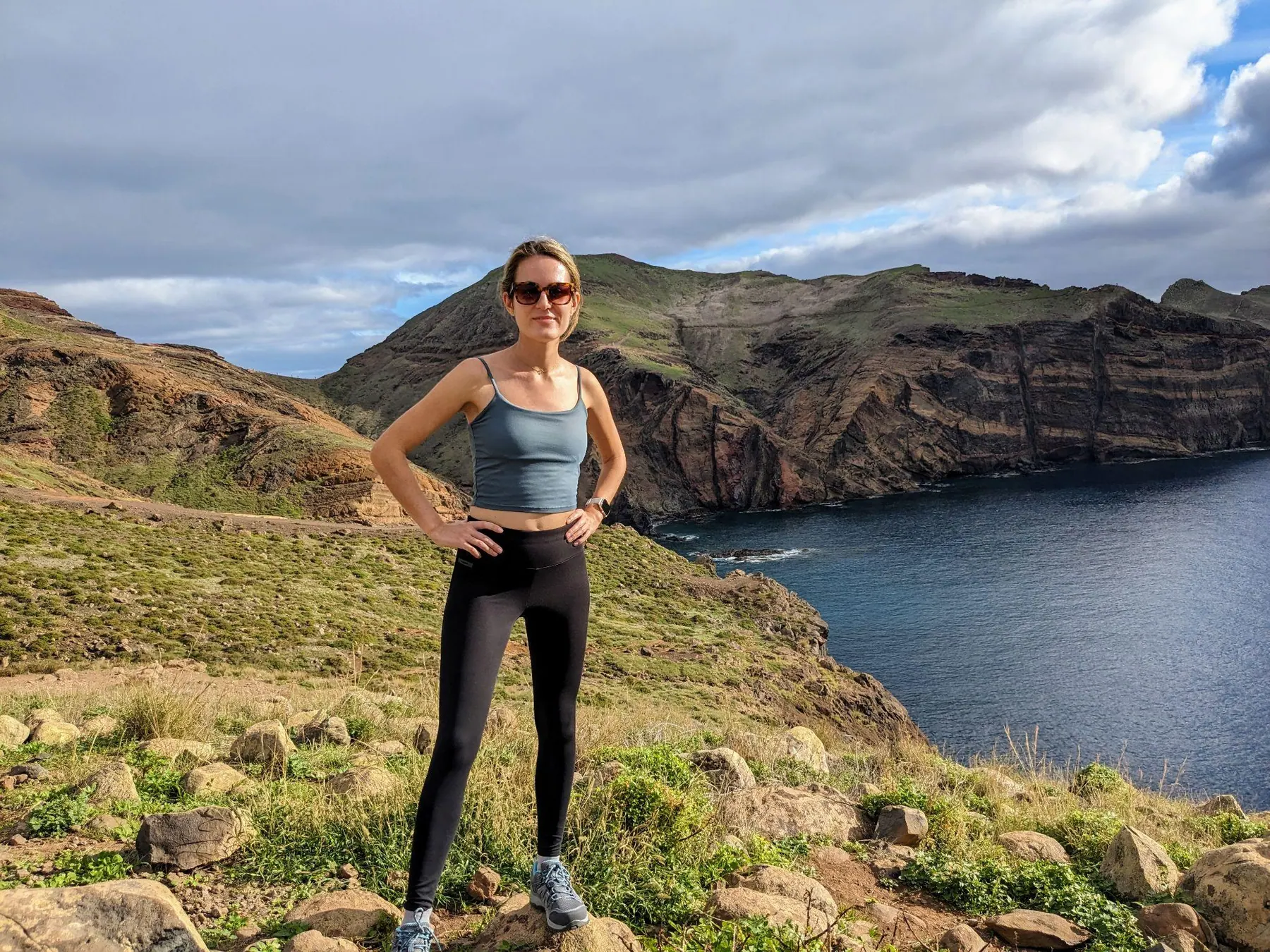
We almost talked ourselves out of the trip. It was November, and because Madeira is a piece of rock in the middle of the Atlantic, we thought the weather could be unpredictable - maybe rainy, maybe grey, hard to say.
We were wrong - we got a week so good that it almost annoyed me, because it meant all that worry had been for nothing.
Here's the thing: Madeira is not a beach holiday with a few mountains. It's a mountain holiday with an ocean around it. If your perfect week is lying on the sand, go somewhere else. But if you're happy to tire out your legs for a great view, this island gives you more every single day. We went nature-first, on purpose, and Madeira paid us back for it.
A quick orientation, in case Madeira is new to you: it's a Portuguese island out in the Atlantic, actually closer to Africa than to Lisbon, and only about a 1.5-hour flight from mainland Portugal. I flew via Lisbon from Valencia, and the whole journey took around five hours. A week was enough to see a lot of the island, though I could easily have stayed longer to explore more.
The landing, and Day 1: Funchal on my own
The trip showed its character before we even landed. Madeira’s airport has one of the most famous difficult landings in the world. Part of the runway is built on a long platform held up by 180 tall concrete pillars, about 70 metres above the sea, and the wind there is so strong and changeable that pilots need special training just to land.
I had the first night on my own in central Funchal before my mum arrived, so I did what I always do in a new city: I walked until my feet complained.
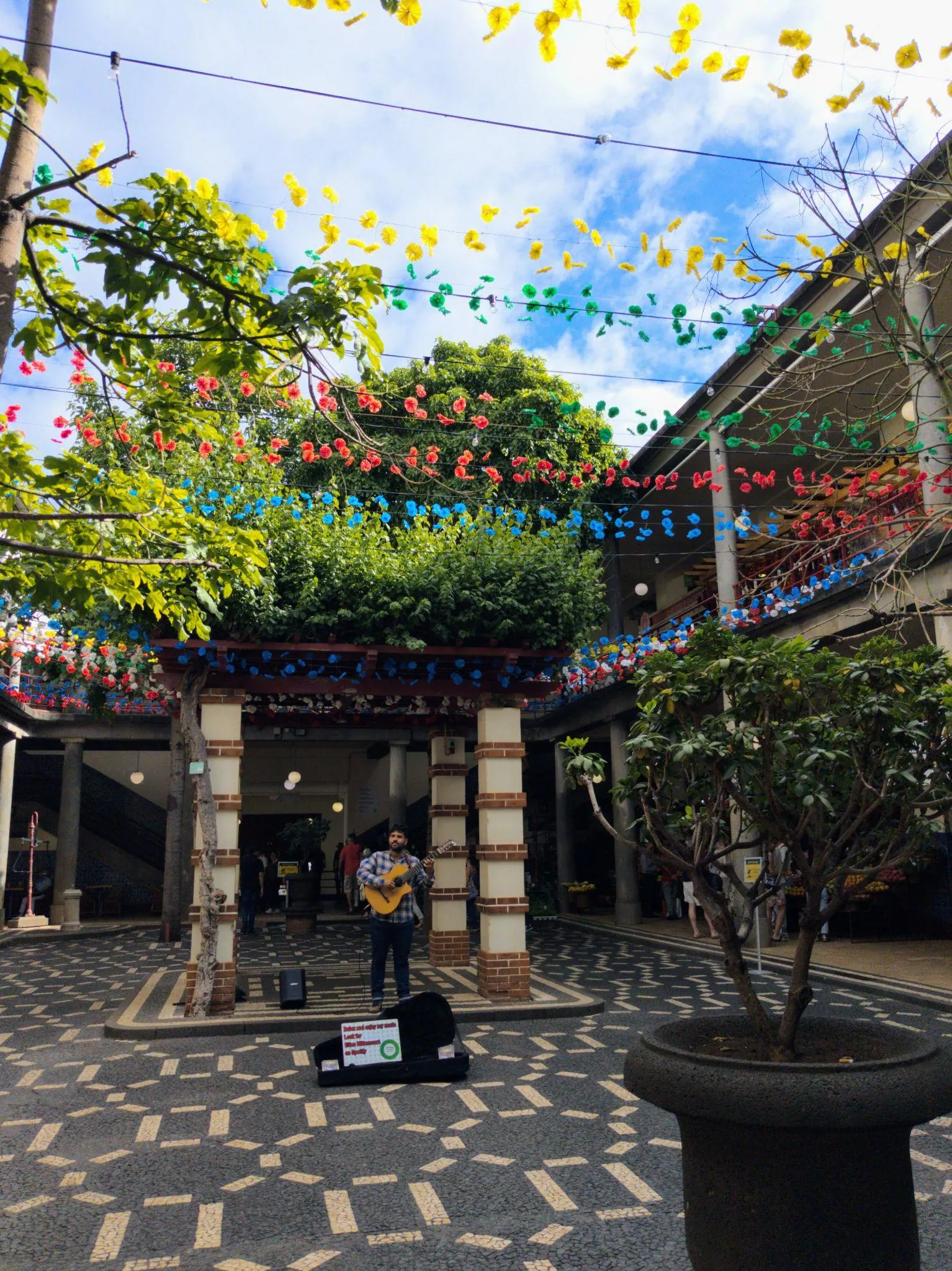
The centre is small and easy to get around, which I liked. The Mercado dos Lavradores is the postcard version of a market - piles of colourful fruit, a man in the middle playing guitar and singing in Portuguese - and yes, it’s touristy, but it’s charming enough.
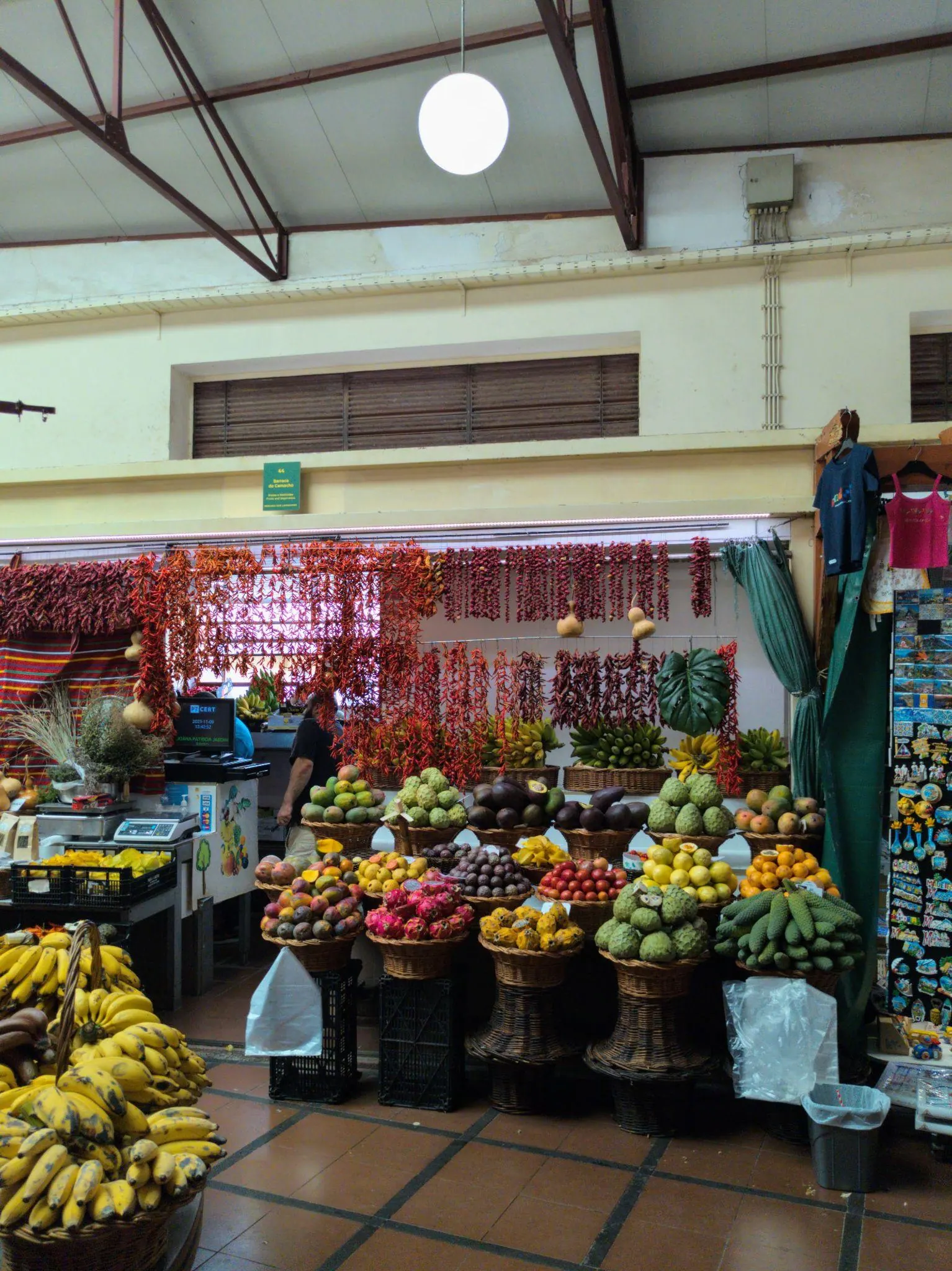
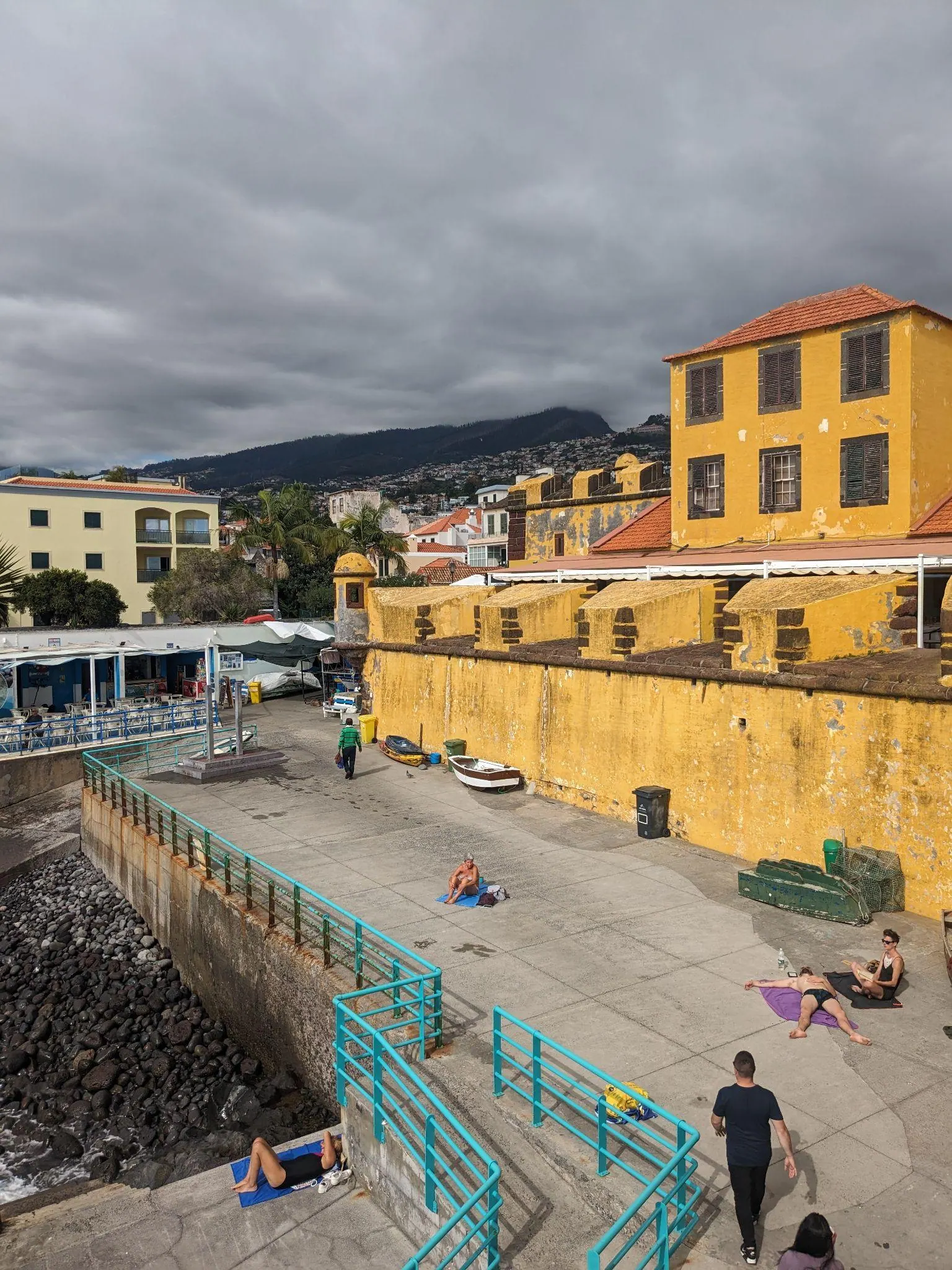
From there I walked along the seafront to the Forte de São Tiago, then took a local bus up the hill to the Monte Palace Tropical Garden.
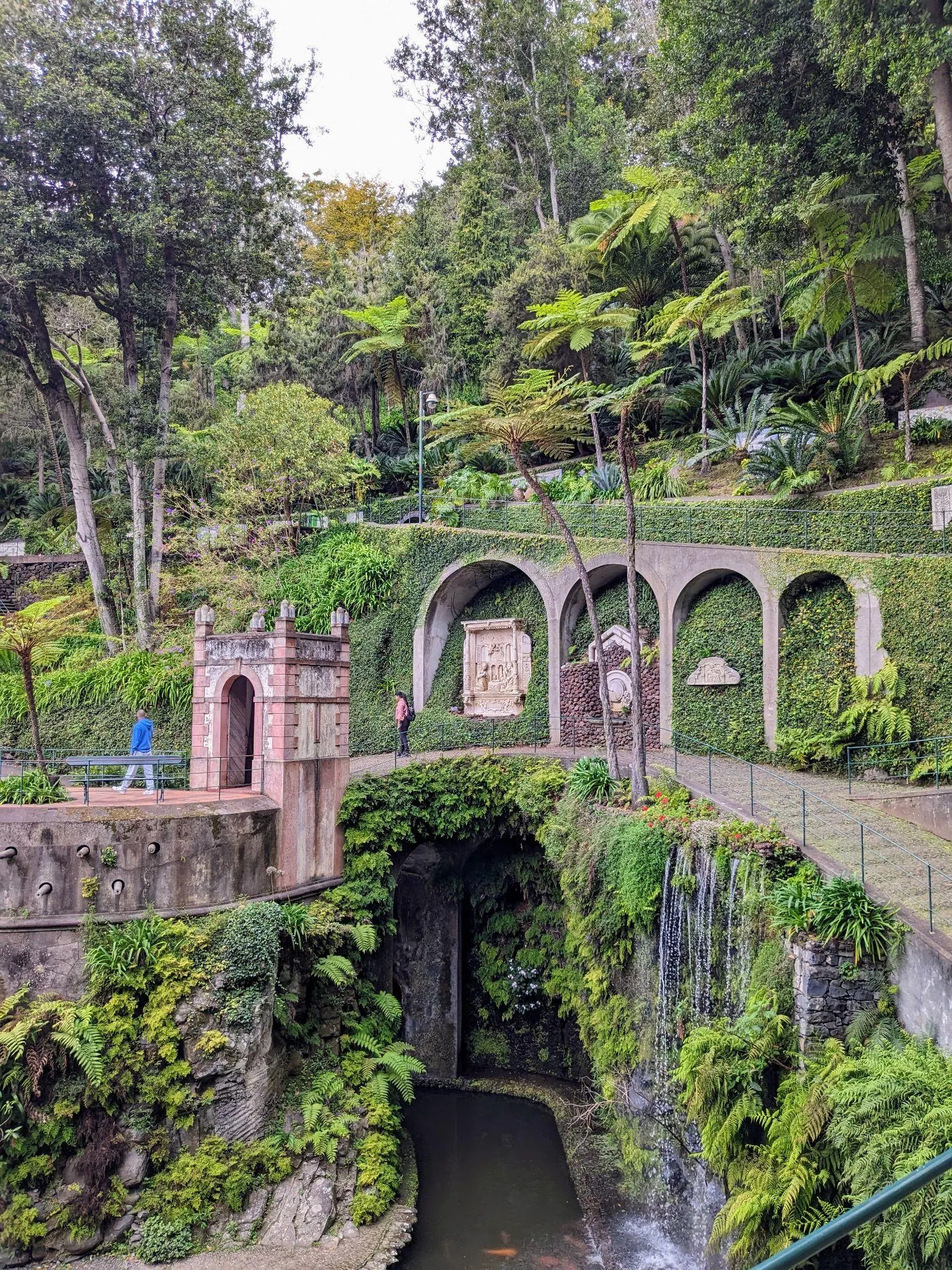
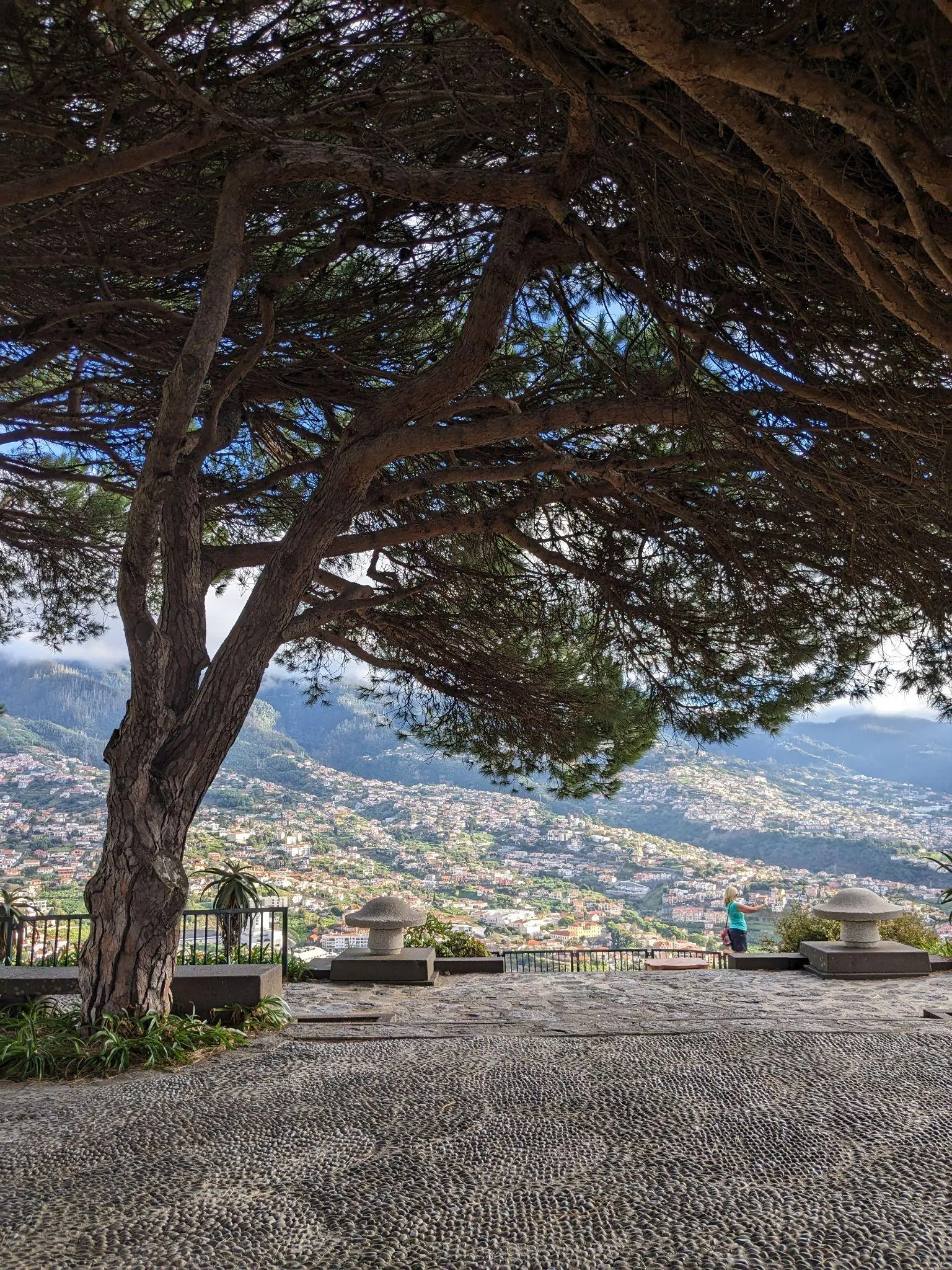
In this garden you walk past Portuguese tiles set into the plants, little red bridges and gates that look like they came straight from a Japanese garden, small streams with real flamingos standing around looking calm, a modern art collection, and the pointed-roof houses you’ll later see for real in Santana. From one corner you can see all the way down to the sea. It’s beautiful, tasteful, and really well made - and standing there I had a thought that kept coming back all week: how is all of this so exotic when I’m still basically in Europe? Subtropical, Atlantic, a bit Asian, clearly Portuguese, all at the same time.
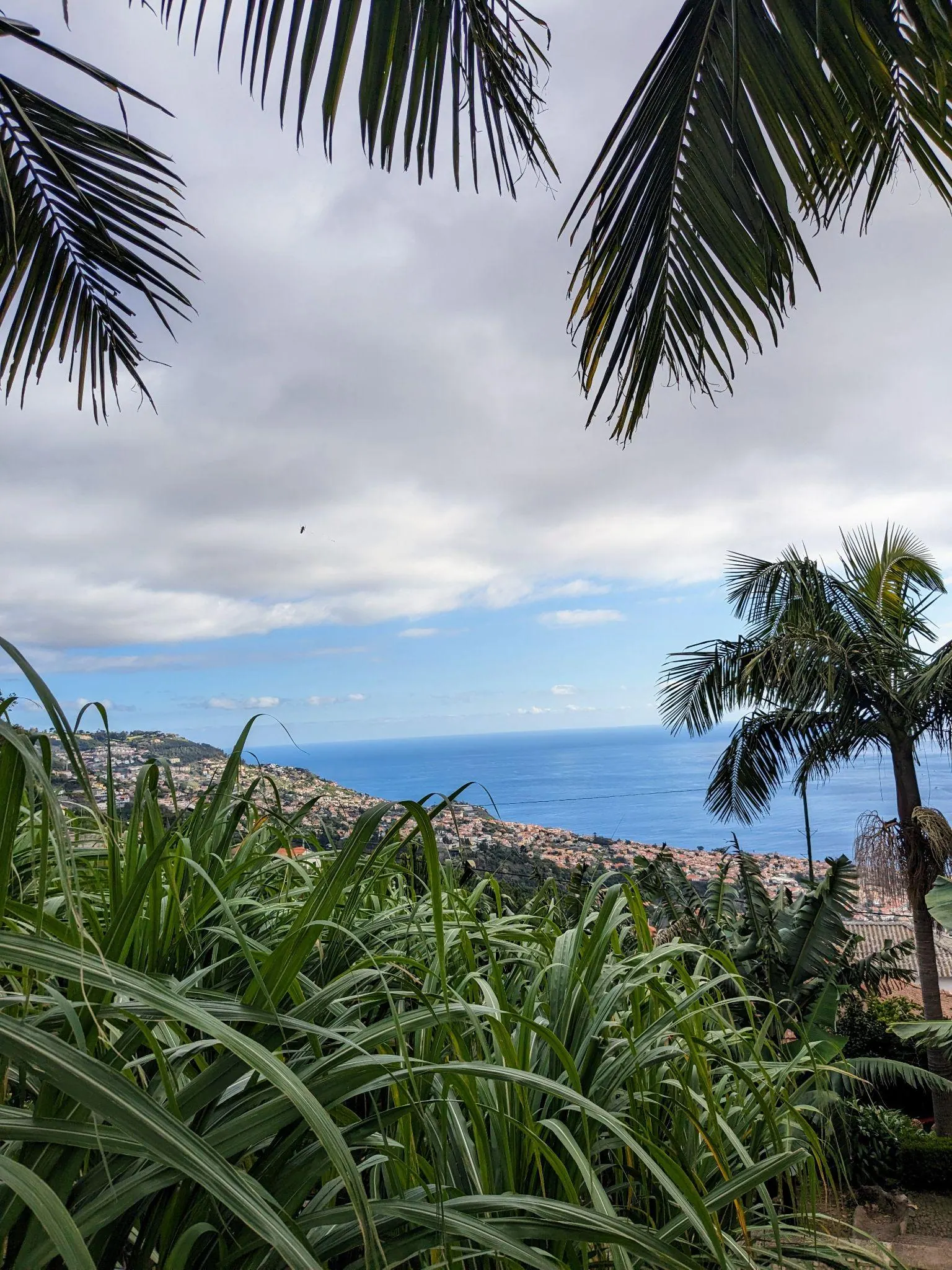
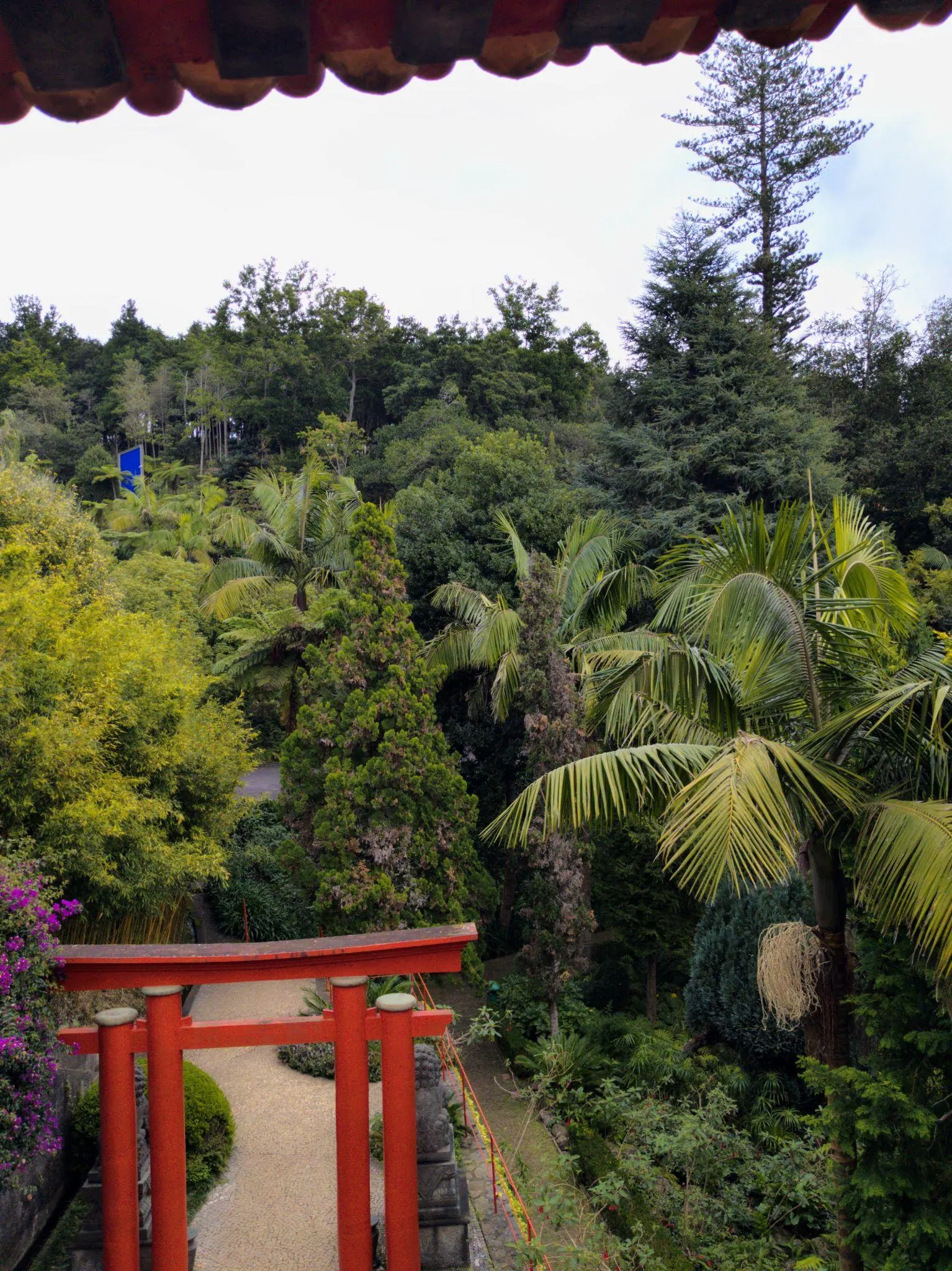
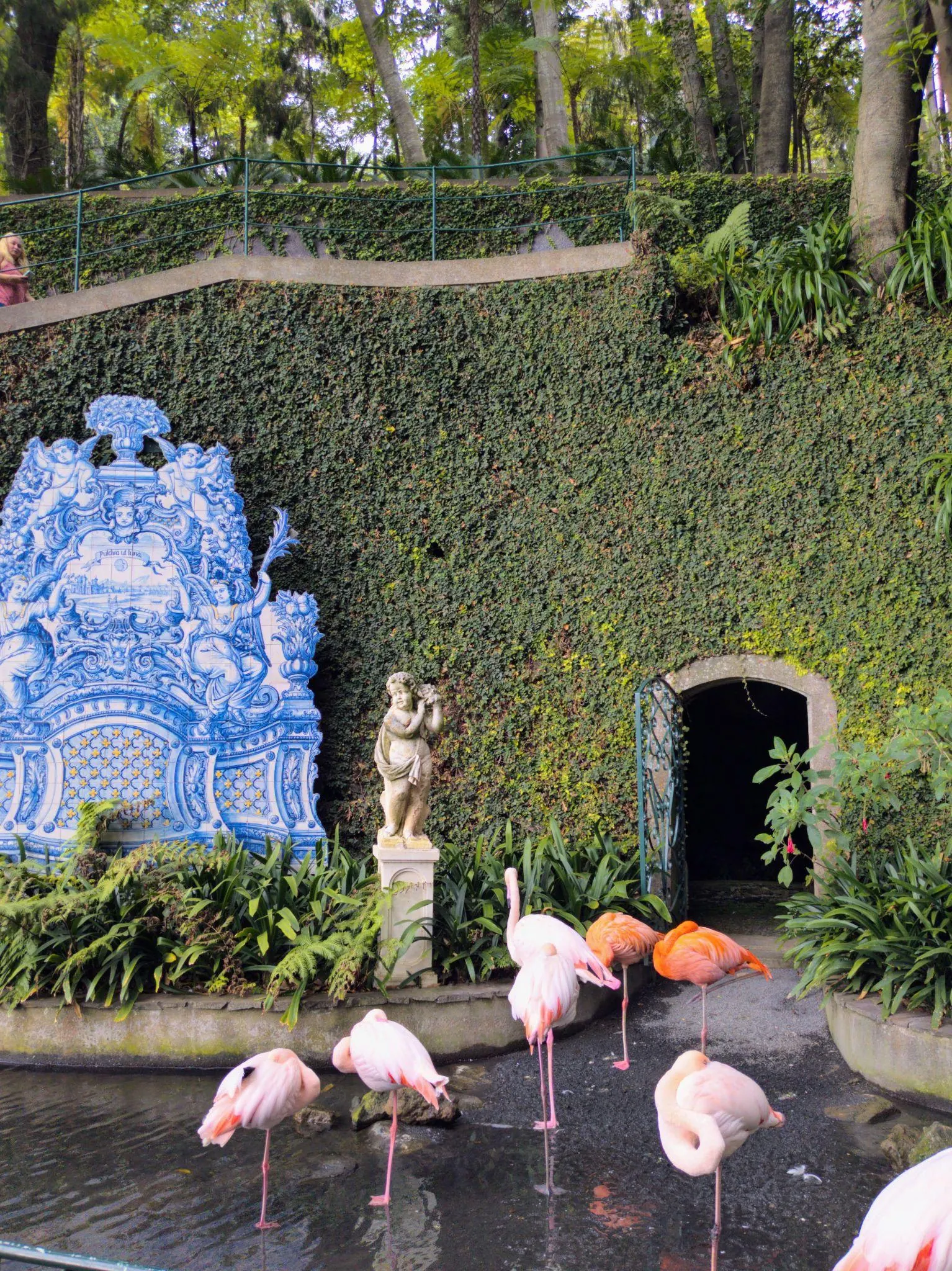
The famous thing to do at Monte is ride the carros de cesto back down - a wicker sledge steered by two men in straw hats who use the soles of their shoes as brakes on a public road. Every guide tells you to do it. I looked at it, decided it didn’t seem safe enough for me, and took the bus back down instead.
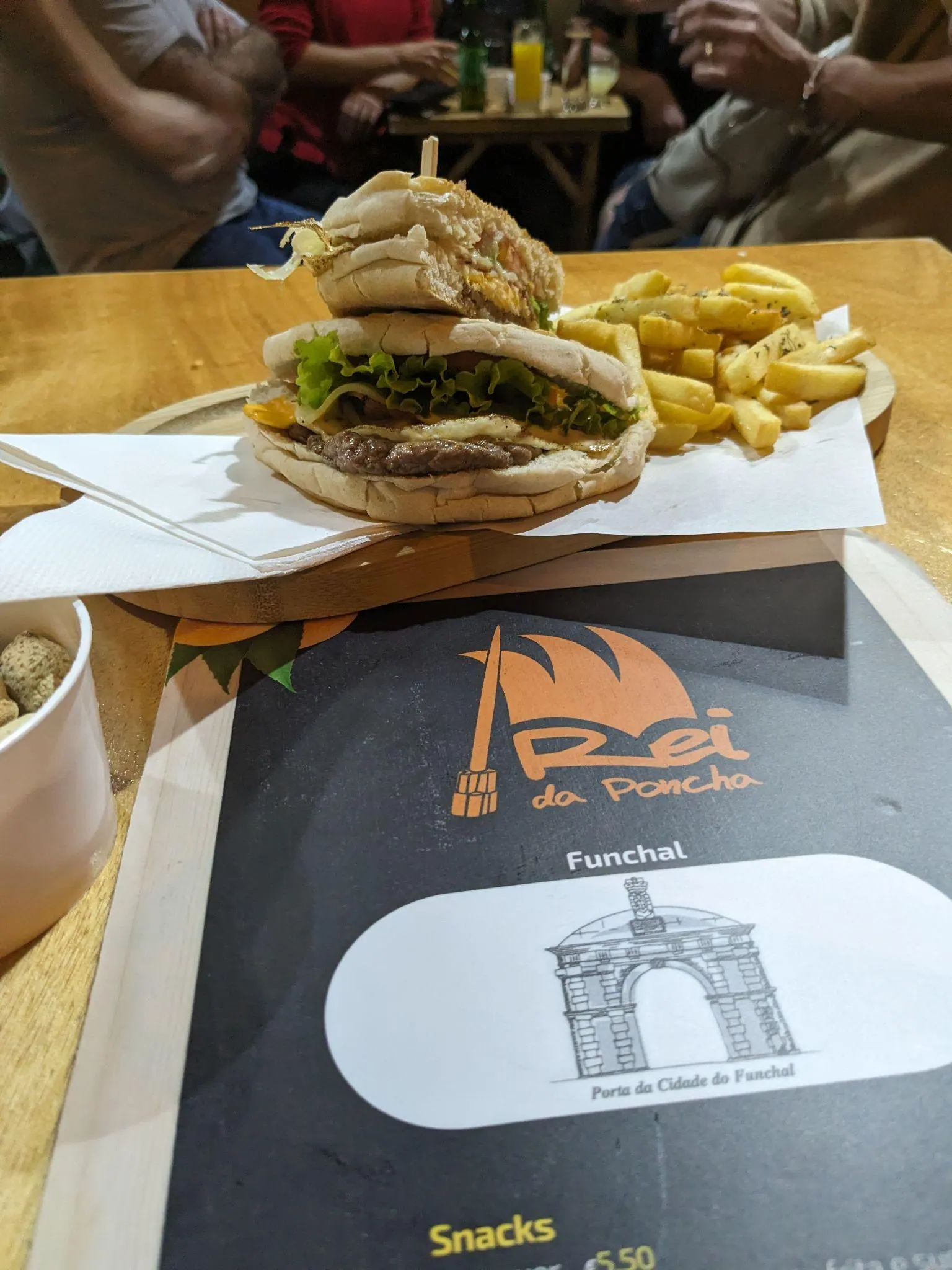
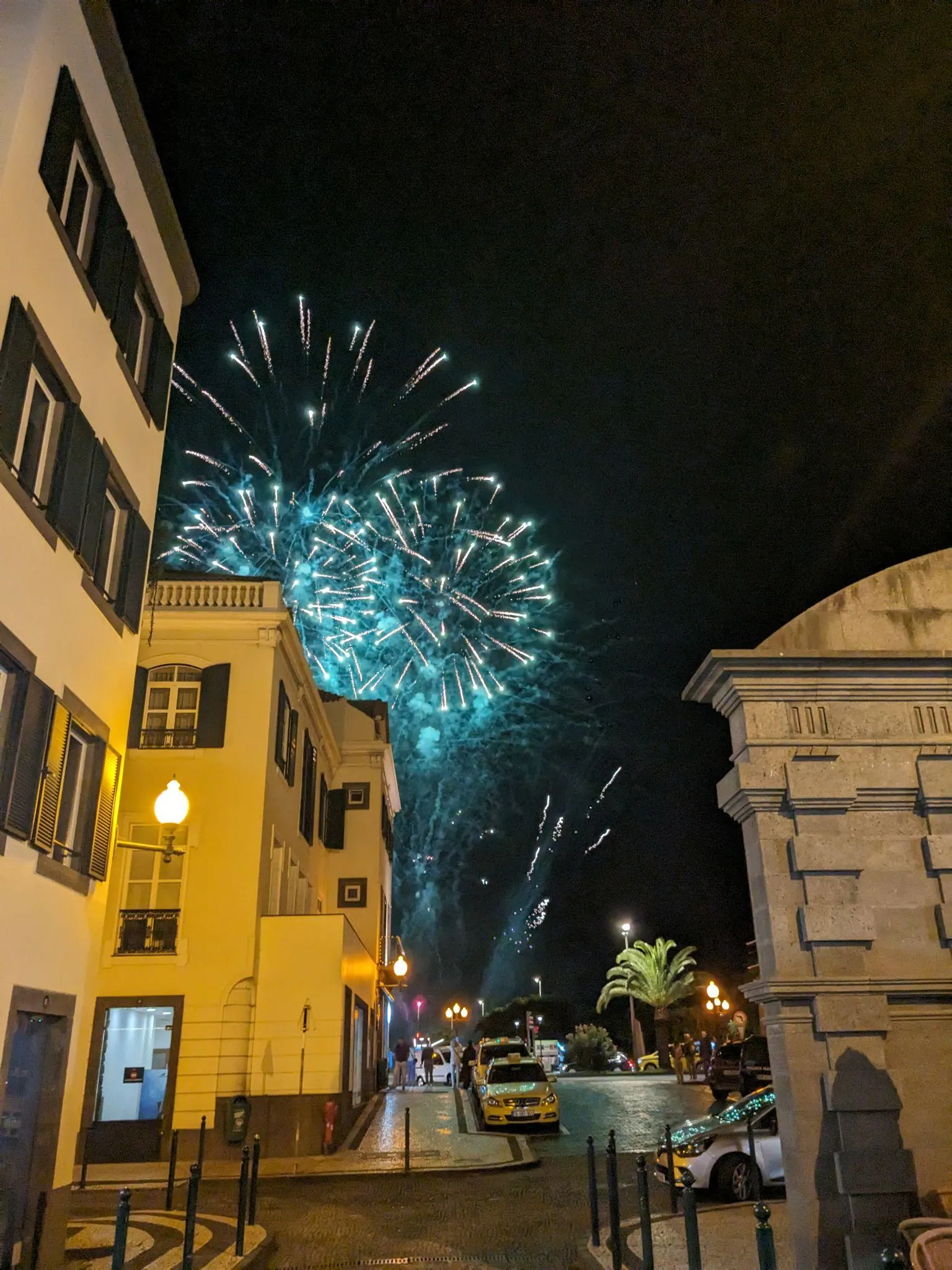
I ended the day with a Madeira sandwich at Rei da Poncha, but on purpose I didn’t try the poncha yet - the island’s strong sugarcane-and-honey drink deserved a night when I wasn’t alone and tired from travelling (I kept that promise on Day 5). Then the city did its evening thing: the whole seafront lit up, the hills sparkling above, and a small burst of fireworks going off celebrating something.
Day 2: A glass floor, a risky walk, and lunch that wasn’t about lunch
My mum wasn’t arriving until late afternoon, and she’d have the rental car with her, so I had one more day on my own and on foot. It made a point I’d end up repeating to anyone going: you don’t need a car for Funchal and the coast right around it - the buses handle that fine - but you can’t reach the island’s interior without one.
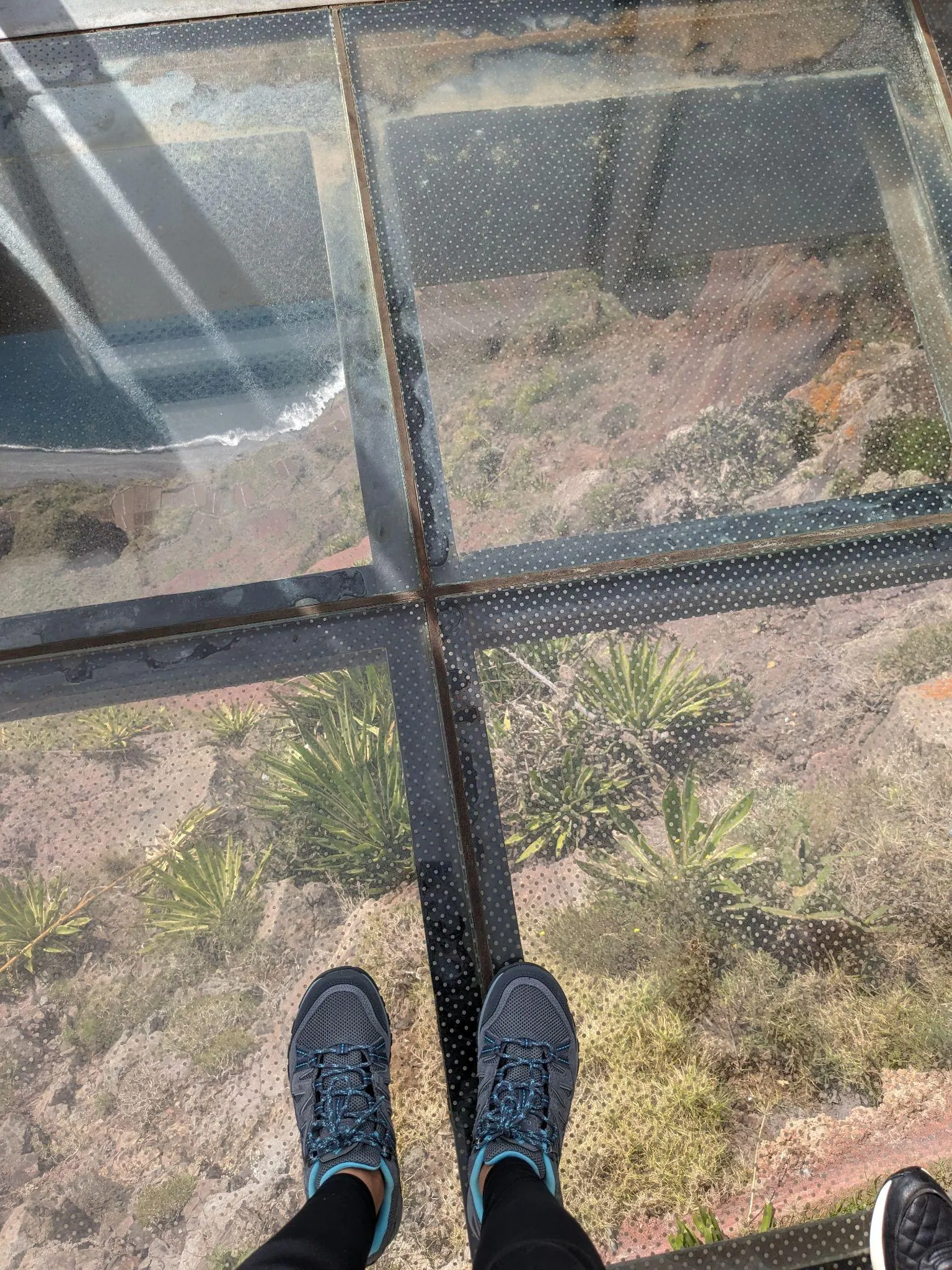
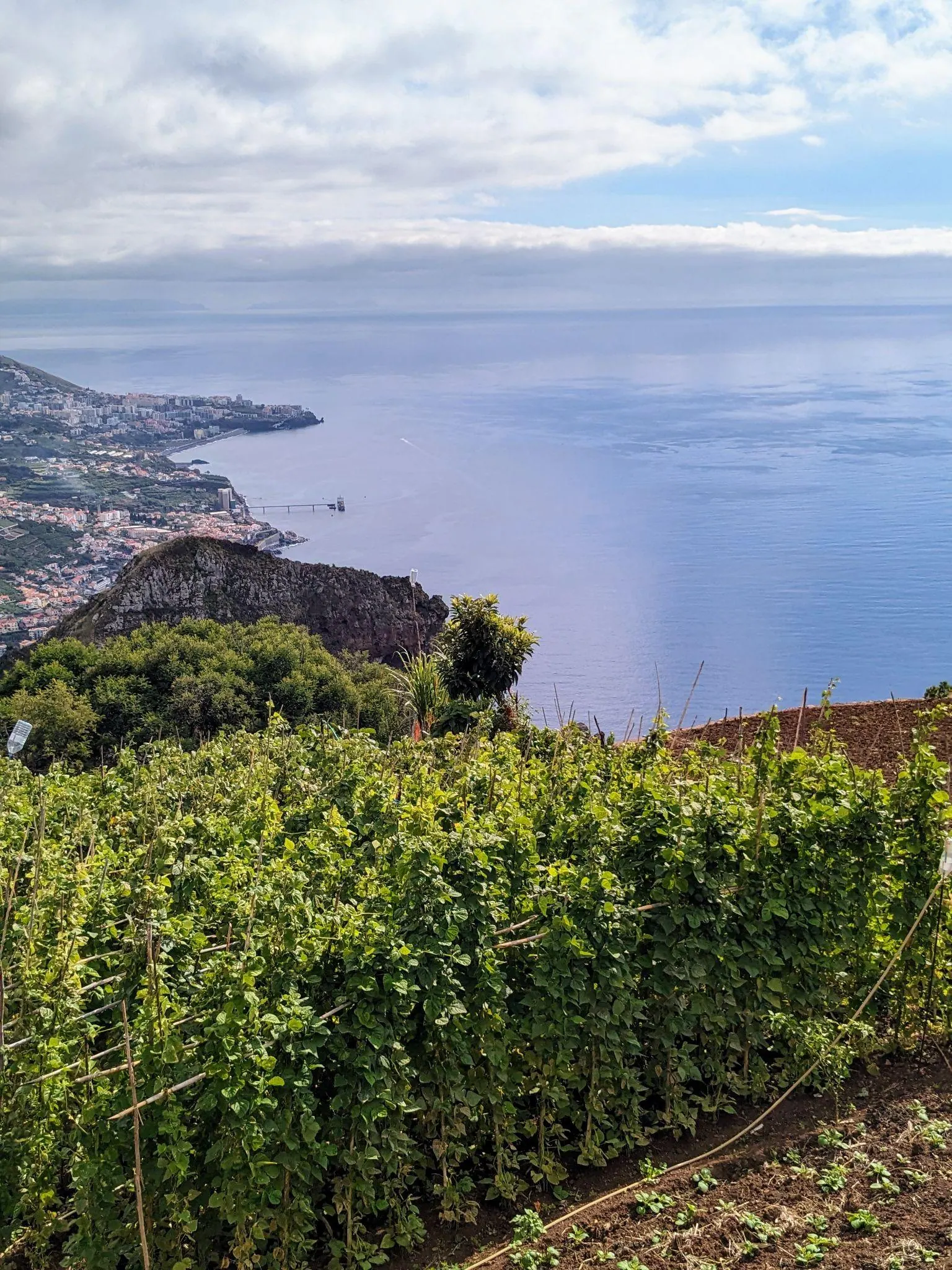
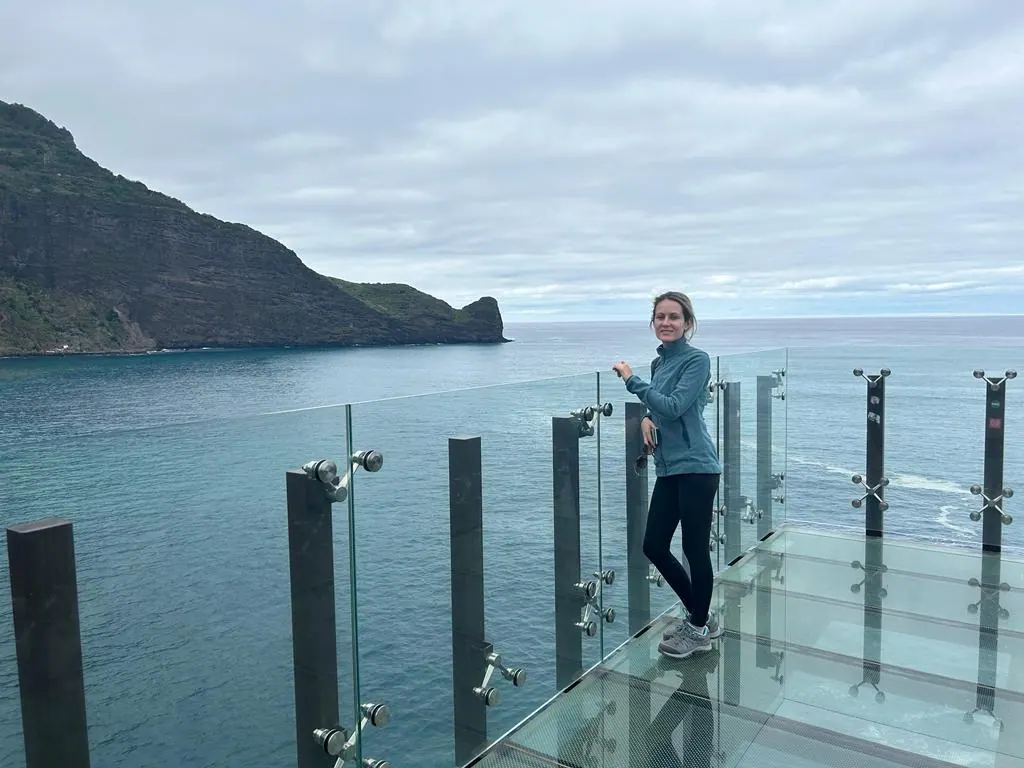
I started the day in Parque de Santa Catarina, a lovely park on the edge of the city, then took a bus to the Miradouro do Cabo Girão. For €5 per person (it was €3 when I visited in 2023) you walk out onto a glass platform above one of Europe’s highest sea cliffs, looking straight down through the floor at the water and the small farm plots far below. If you’re scared of heights, this is not for you. Everyone else: it’s worth it, just for the way the cliffs keep going off into the distance.
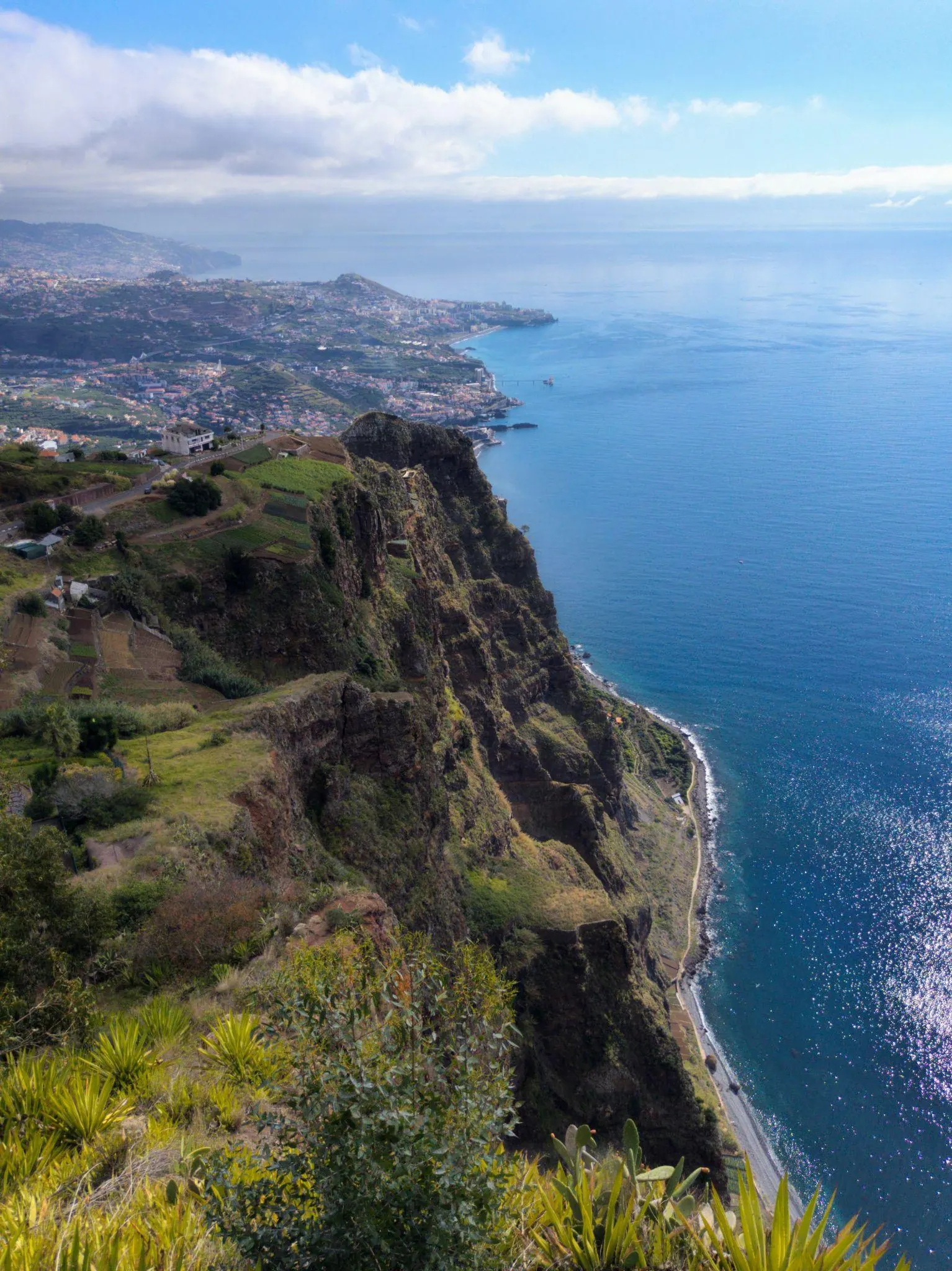
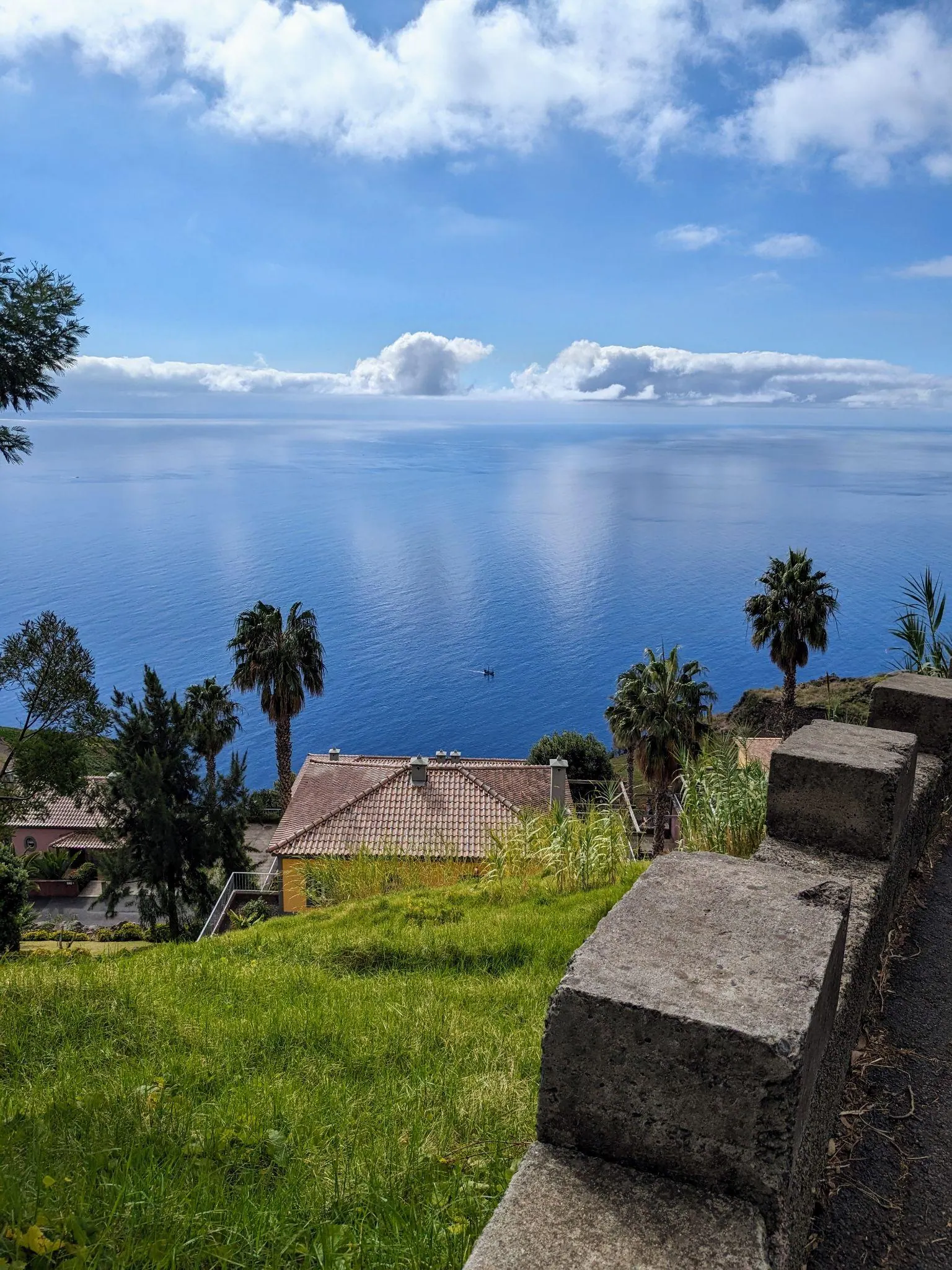
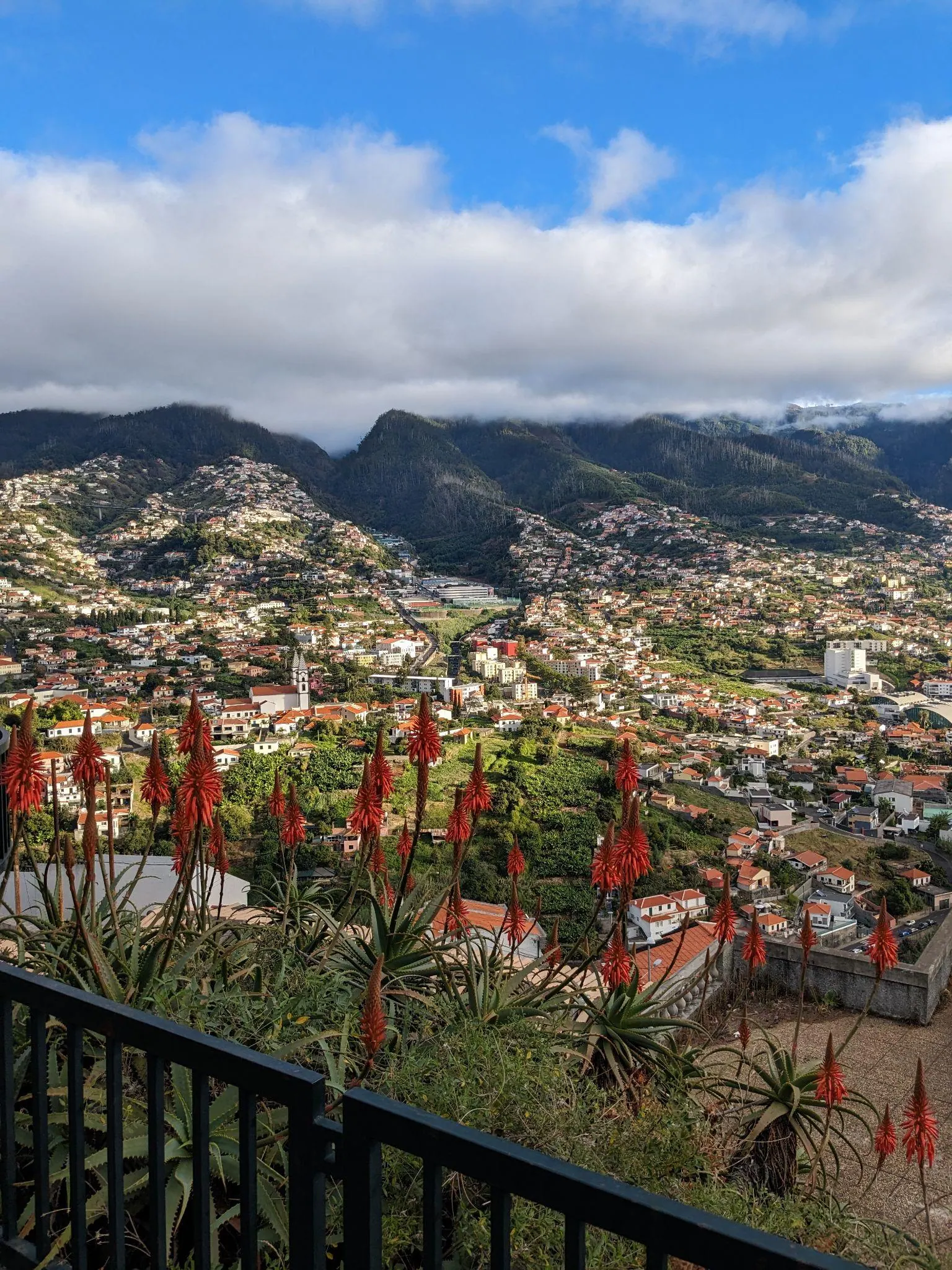
Then I made a choice I’ll be honest about, and tell you not to copy: I decided to walk from Cabo Girão back towards the centre to enjoy the scenery, and a big part of that walk was along the car road with no proper pavement. It was risky, I won’t pretend otherwise. But the reward was seeing Madeira up close instead of through a car window: orange rooftops running down the hills, banana plantations, small wineries.
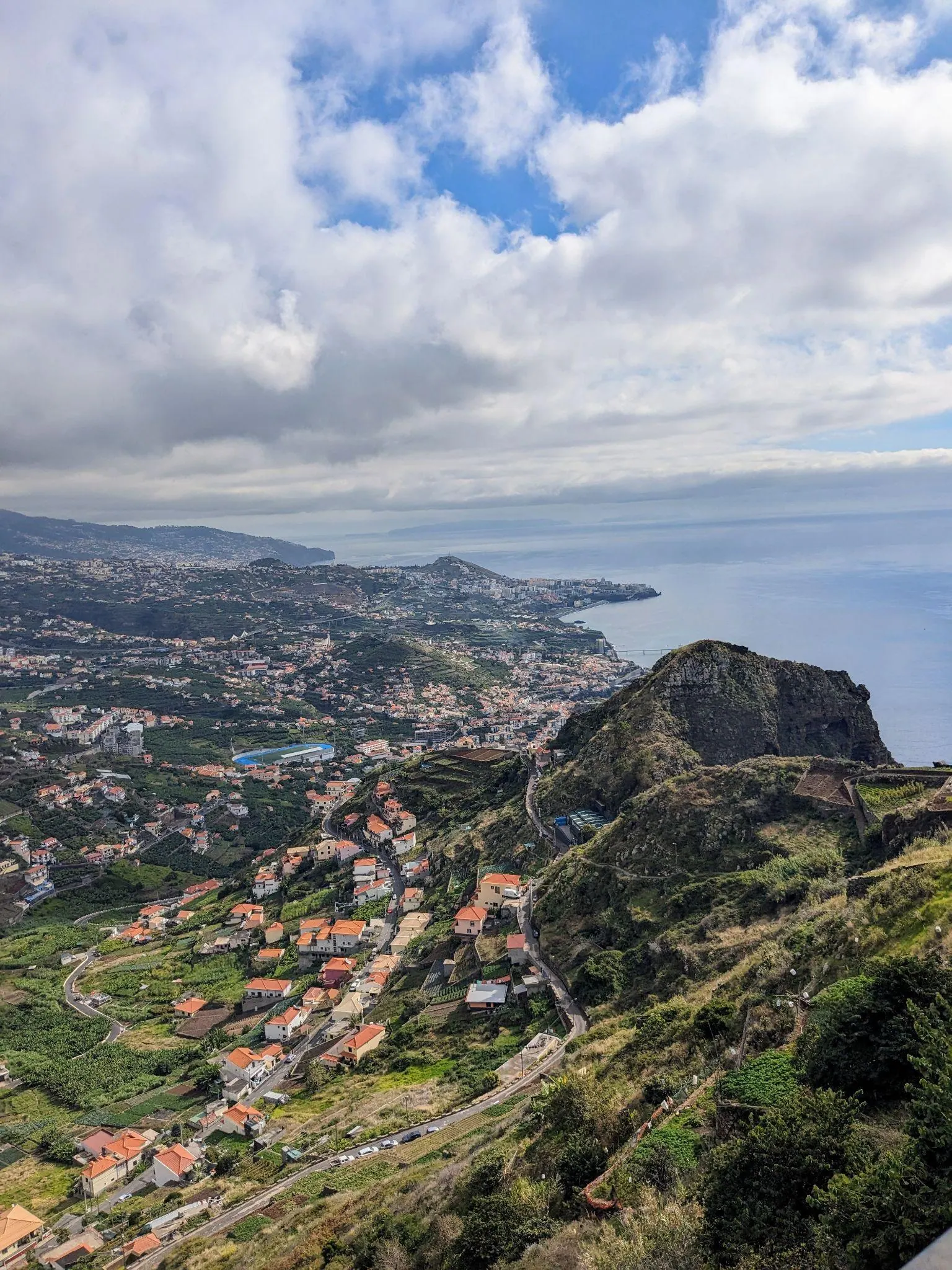
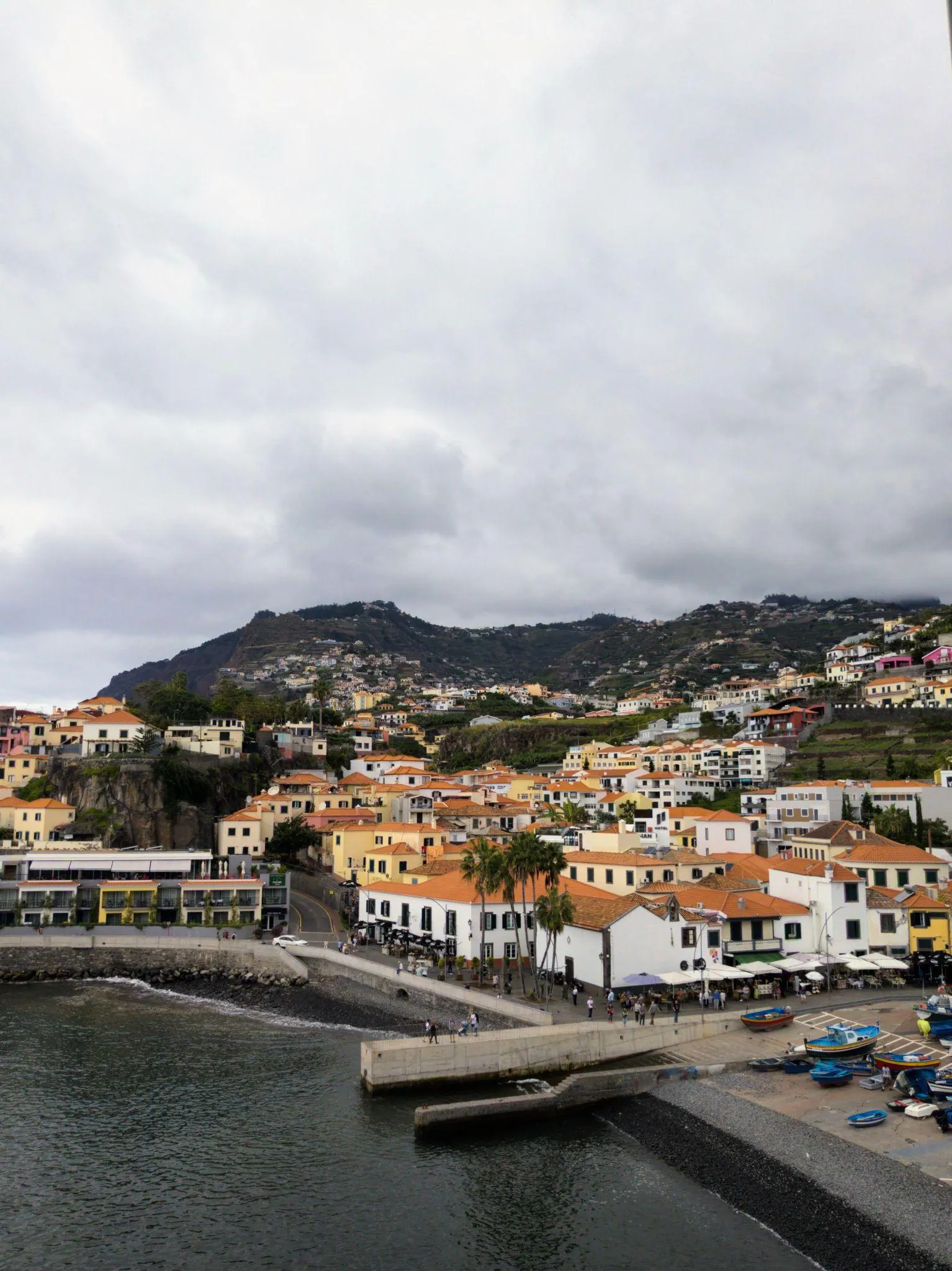
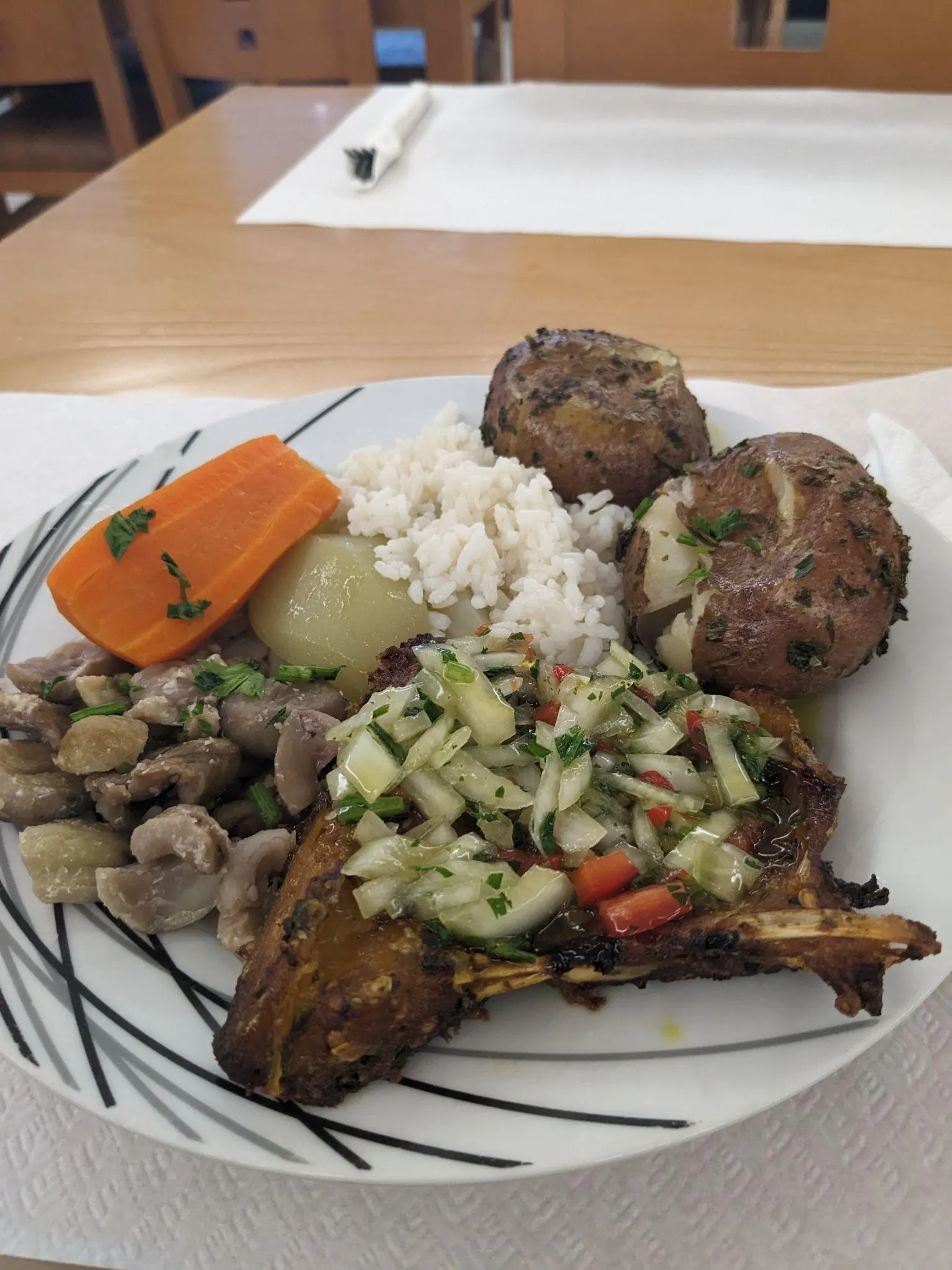
That’s how I ended up in Câmara de Lobos, and it’s where one of my most memorable moments with a meal happened - even though it wasn’t really about the food. This is the fishing village where Winston Churchill sat and painted the bay back in January 1950, and even the name is interesting: it roughly means “chamber of the wolves,” after the seals the first settlers found in the bay. I found a small, clearly local place and ordered the simplest thing possible - roast chicken, rice, baked potatoes, mushrooms: basic home cooking. And it was perfect, exactly because I had walked myself into a real local corner instead of being dropped there by a tour bus. Sometimes the food is just the excuse, and the meal is everything around it.
Then the bus back to Funchal, where my mum had finally arrived with the car, and a quiet evening together at our base in São Martinho, just southwest of the centre, before the real driving began.
A quick list: things to see in Funchal
I kept my own Funchal time simple, but the city has more than a day’s worth if you want it. The main things worth seeing:
- Mercado dos Lavradores - the covered market, good for colourful fruit stalls and a bit of local life.
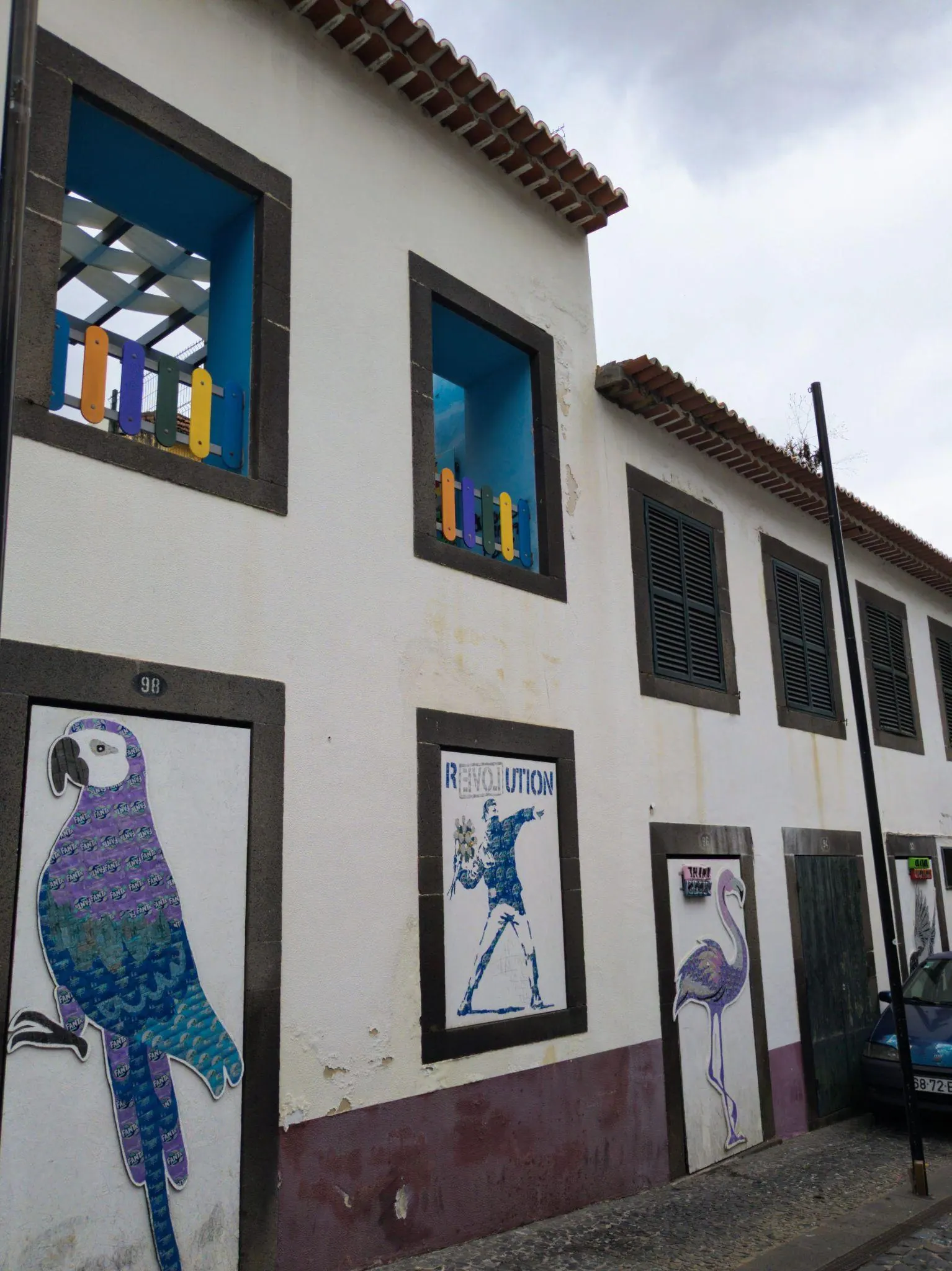
- The old town (Zona Velha) - narrow streets with painted doors, and plenty of restaurants and bars in the evening.
- Monte Palace Tropical Garden - the gardens up the hill (reach them by bus, or by cable car if you want the views on the way up).
- Sé Cathedral - the historic cathedral right in the centre, worth a quick look.
- Parque de Santa Catarina - a green park on the edge of the centre with sea views.
- Forte de São Tiago - a small seafront fort on the way into the old town.
- The seafront promenade - an easy walk along the water, especially nice in the evening when the city lights up.
- Madeira wine - you can visit a wine lodge in the centre and taste the island’s famous fortified wine.
- And if you’re a football fan, Funchal is Cristiano Ronaldo’s home city, with a museum and a statue dedicated to him.
Day 3: Impressive Ponta de São Lourenço and an honest word about Santana
This was our first big day of nature and our first full day with the car, and the roads showed their character right away - steep, full of sharp turns, steep roads, the kind of driving that keeps both your hands and your nerves busy.
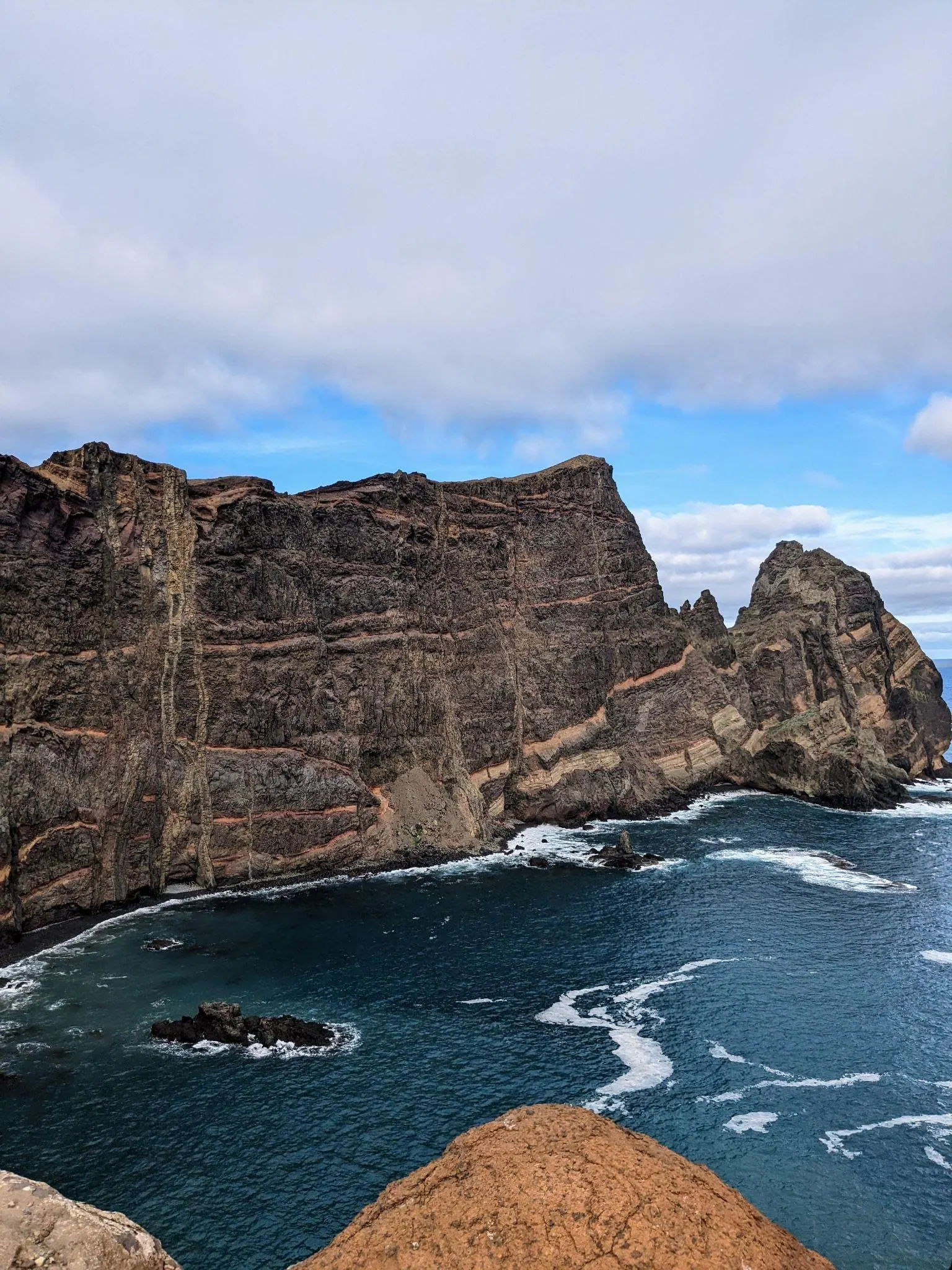
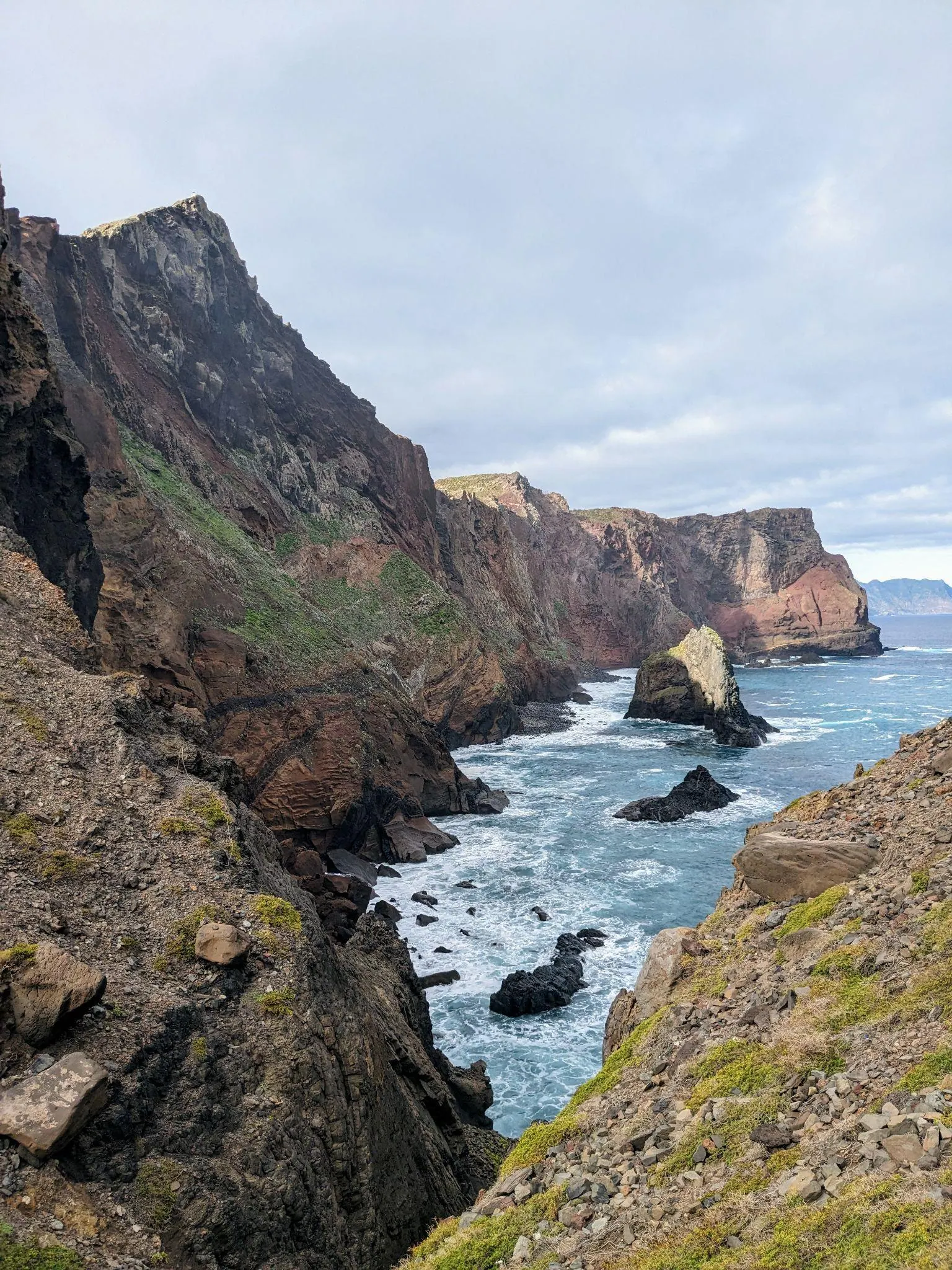
Ponta de São Lourenço, the island’s most eastern point, looks nothing like the rest of Madeira. There are no trees at all - the land is bare, red-and-brown volcanic rock, blown by wind, with the Atlantic crashing against the cliffs on both sides. There’s a good reason it feels like another planet: it’s the driest, most exposed corner of the island, a protected nature reserve since the 1980s, all volcanic rock and worn rock towers rising out of the sea - locals even call it the Dragon’s Tail.
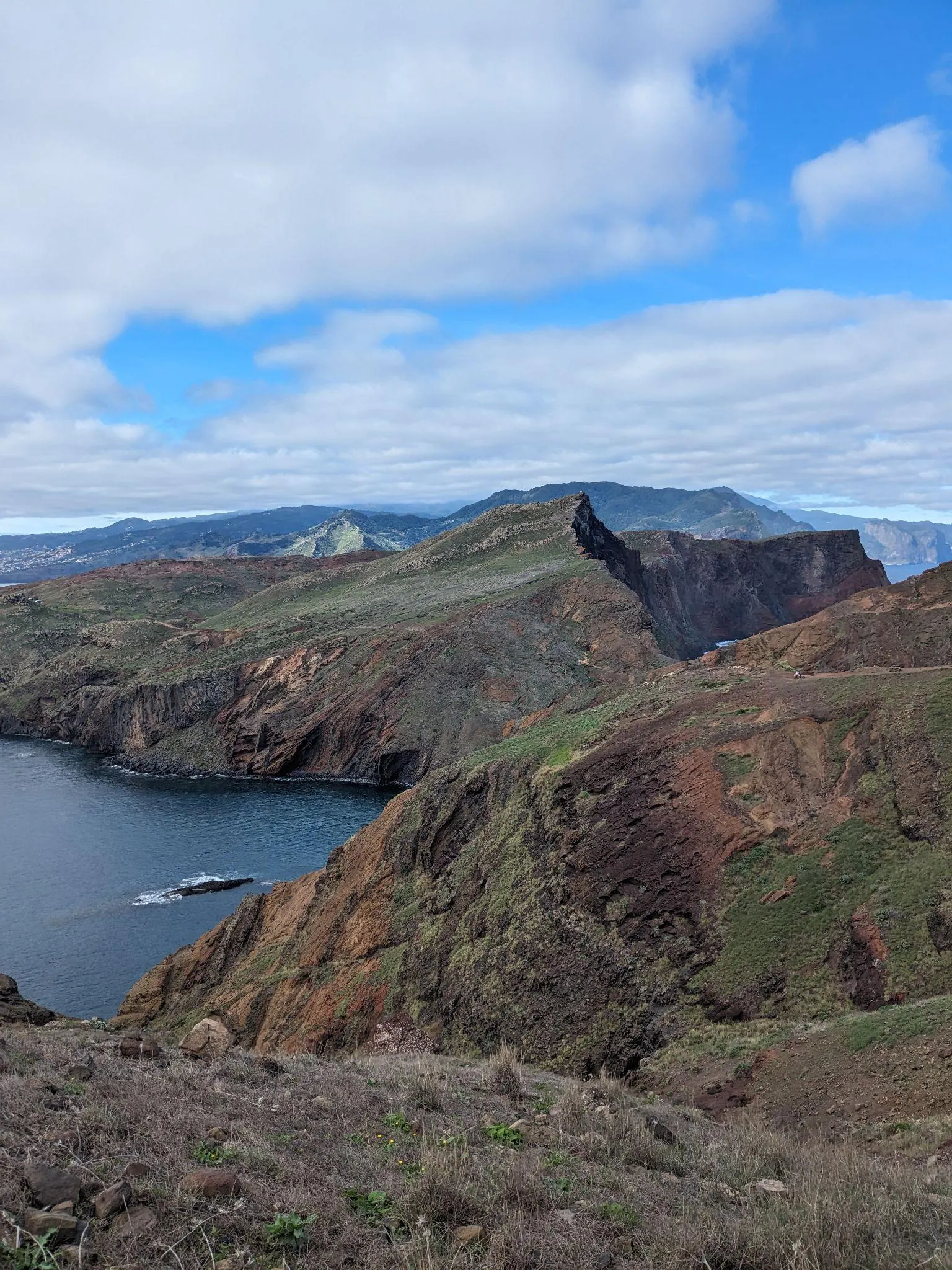
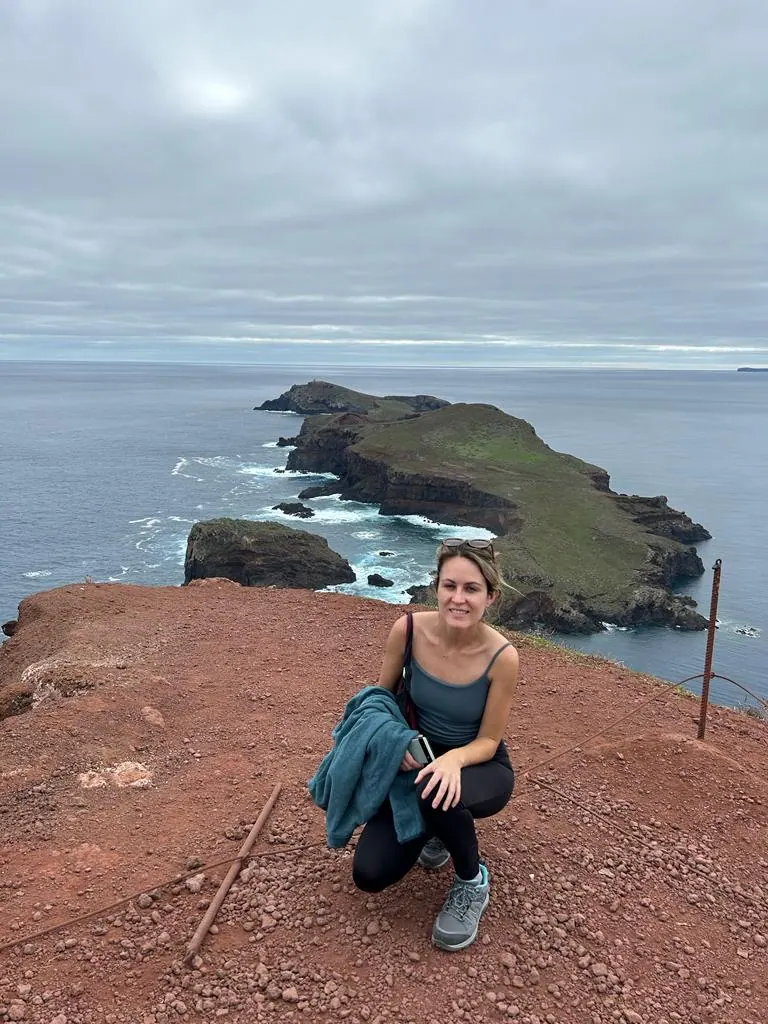
I honestly forgot I was on a Portuguese island. It looked Nordic, or Scottish, or almost like Mars. The trail is simple - same way out, same way back, impossible to get lost - and it only gets hard right at the end, where a steep climb up to the Miradouro do Furado makes you earn the final view. It took us about three and a half hours, but only because we stopped at every single viewpoint. You could do it much faster, but we didn’t want to. And this was only the start of the week, so I kept thinking: if it’s already this good, what comes next?
After visiting Ponta de São Lourenço, we headed to Santana. Now, to be honest: Santana was a little underwhelming for me, though I can see others liking it. It’s the village with those famous triangular straw-roofed houses, and I’d read so many excited reviews that I built it up too much. In reality it’s a handful of houses and not much more. My take: stop there if it’s already on your route, but don’t change your day to reach it.
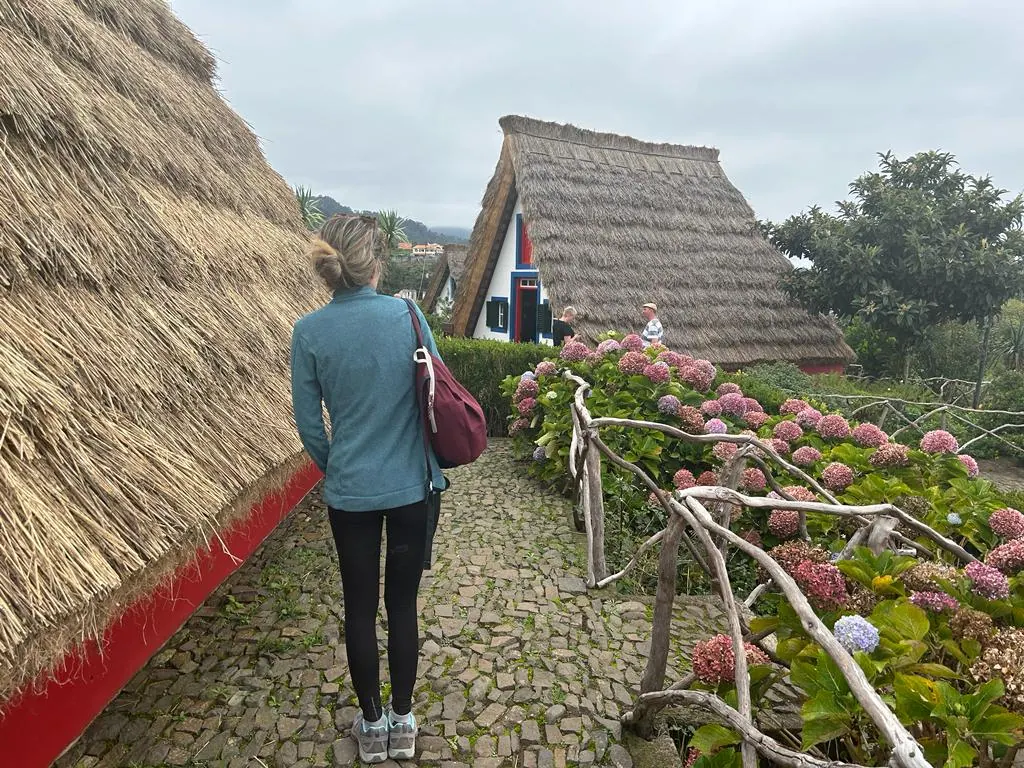
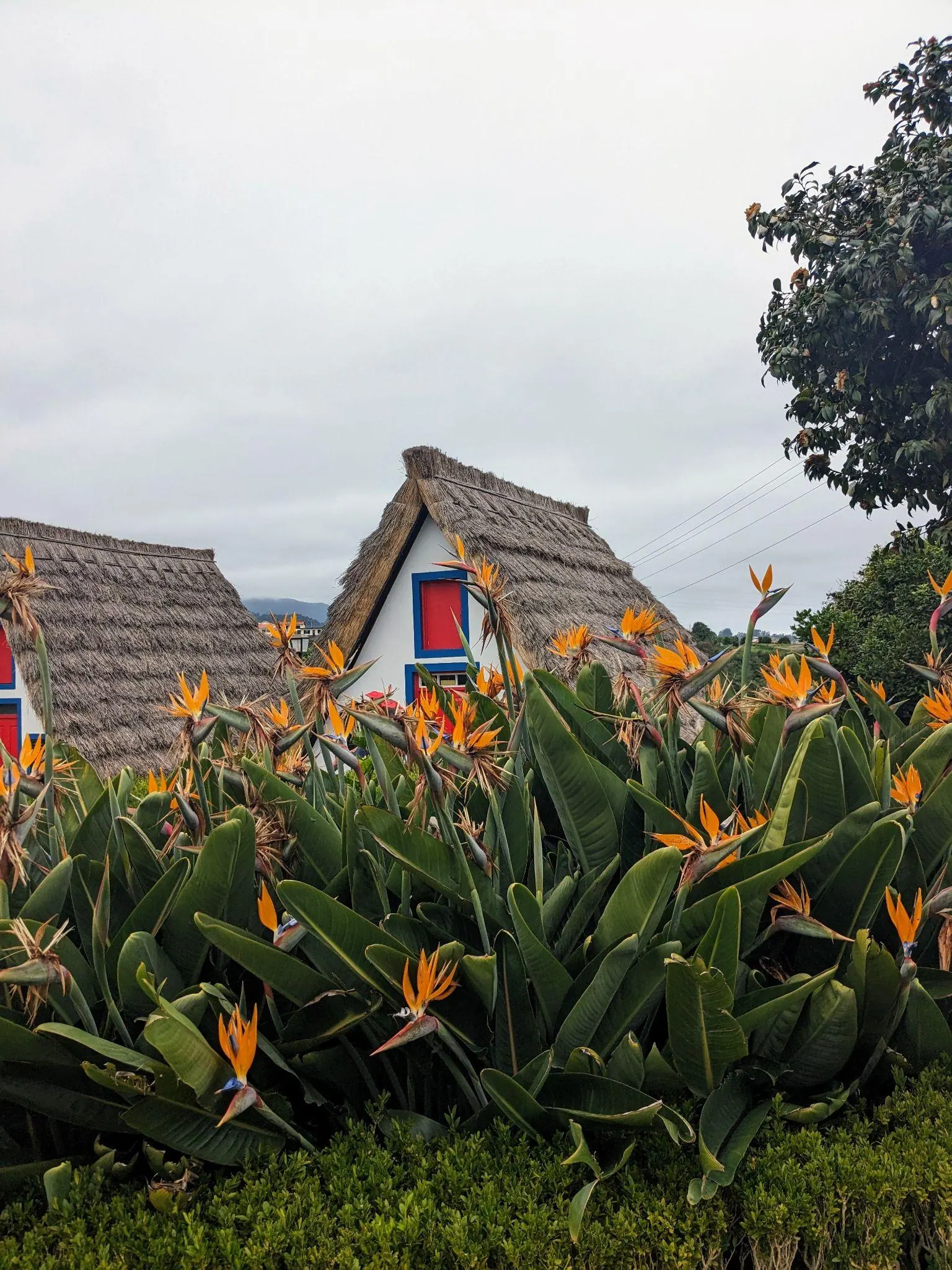
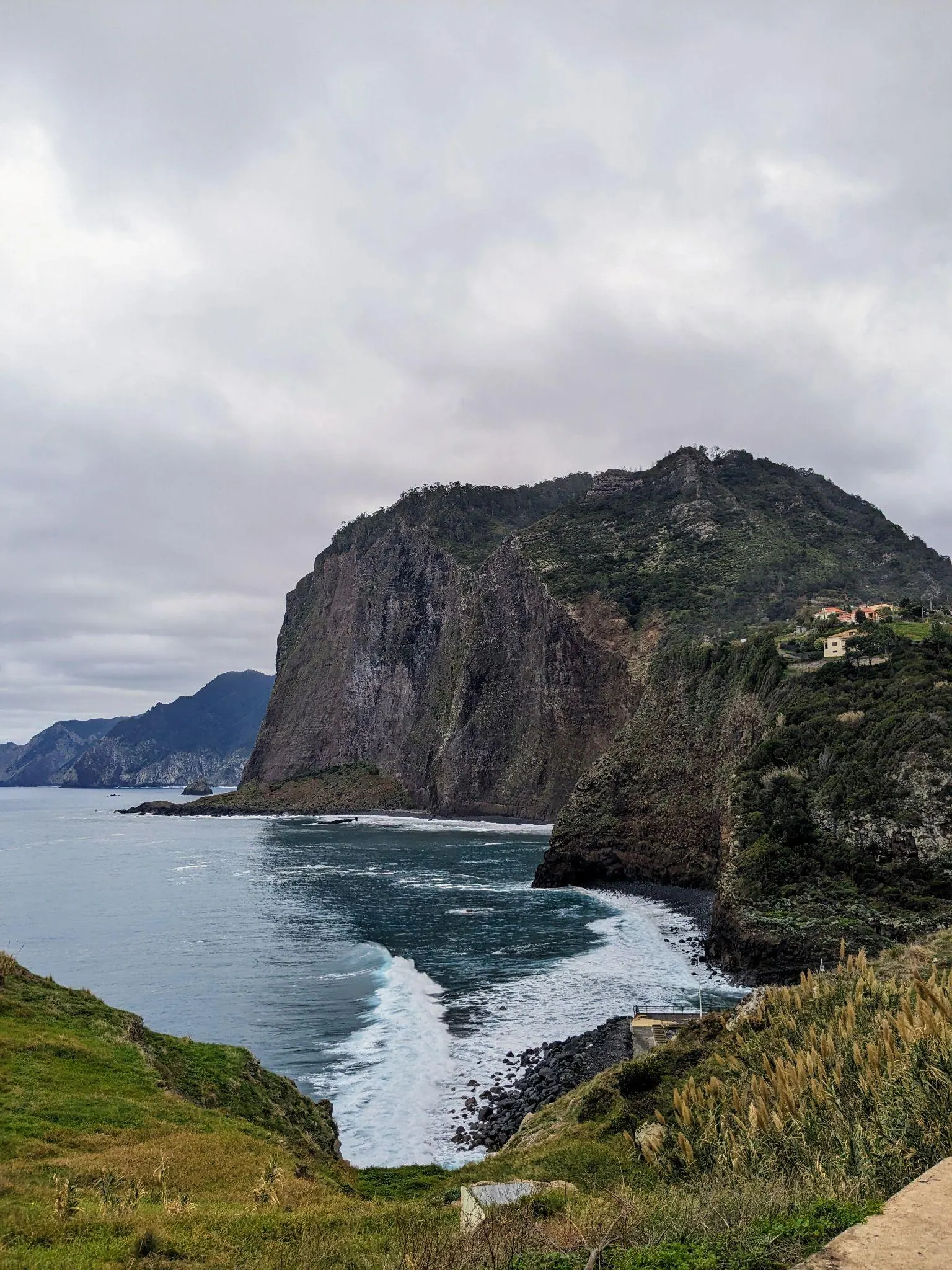
We finished at the Miradouro do Guindaste. As we drove towards it, the clouds rolled in - fast, the way they do here, one side of the island sunny and the other grey within minutes. By the time we arrived, the sun was gone.
Day 4: Nuns, a lonely climb, sharp rocks, and moving west
On Day 4 we decided, instead of driving back to Funchal every night - which is madness on these roads - to move to a hotel in Arco da Calheta so the west of the island was right there. If I could give one piece of practical advice for a week here, it’s this: Madeira looks tiny on a map, but the twisty roads make everything slow, so stay near the area you want to explore.
First, a small and funny moment: we stopped at the Miradouro Pico dos Barcelos for the view over Funchal, and there - at this exact viewpoint, on this exact island in the middle of the Atlantic - was a whole tour bus full of Latvians. As someone with Latvian roots, I’ll just say it’s a special kind of funny to travel to a remote volcanic island to feel like you have some nature to yourself, and then have home turn up and start taking photos next to you.
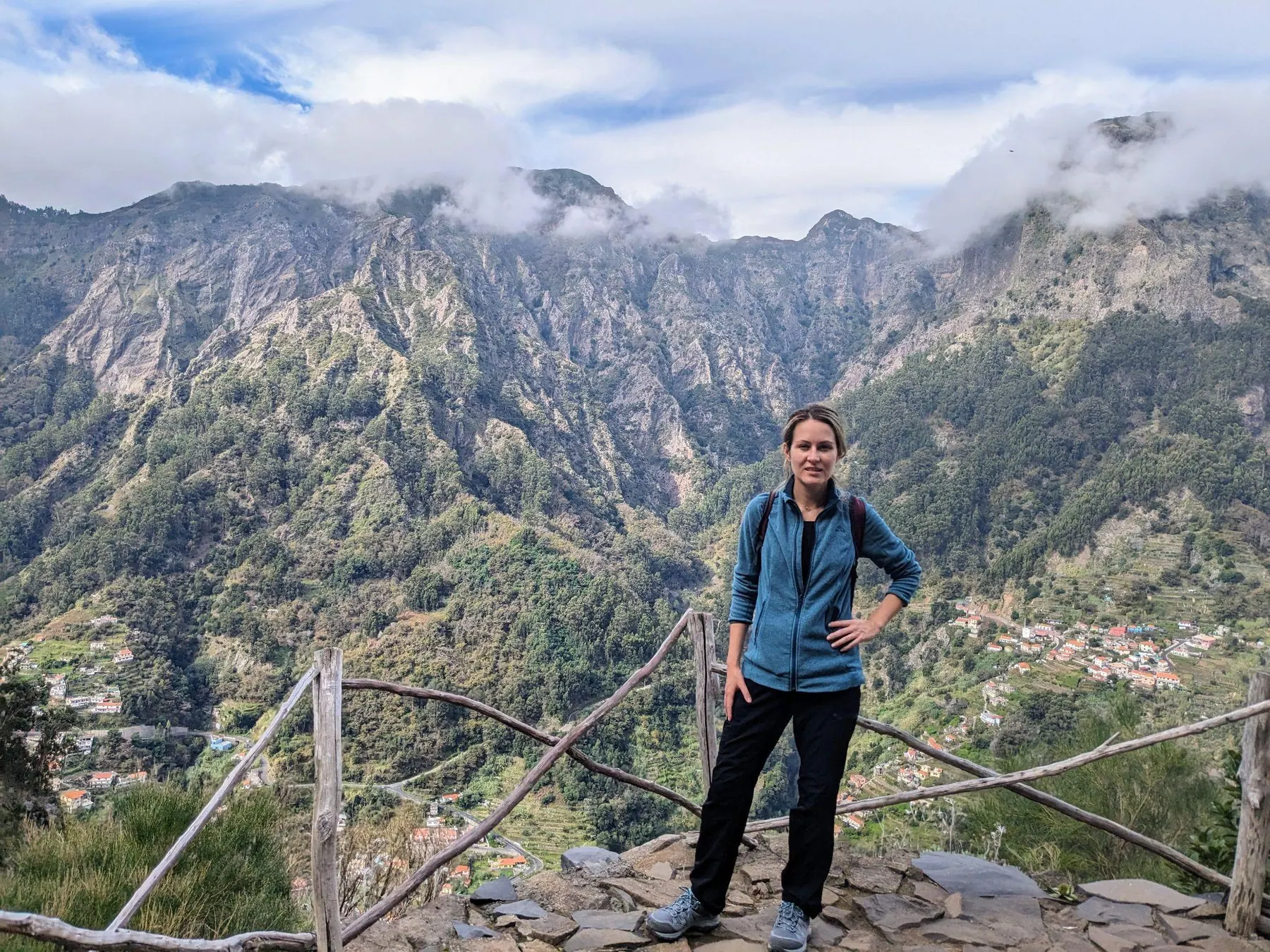
Then, Curral das Freiras - the Nuns’ Valley. The name is dramatic and completely earned: in 1566, when French pirates attacked Funchal, the nuns of the Santa Clara convent ran to this valley exactly because it’s so hidden between the peaks that you can’t see it from the sea. You feel that the moment you arrive - a deep green bowl surrounded by mountains. What you don’t get is any help finding the start of the trail. The signs were useless back in 2023. We asked around the village, got told about buses that nobody could really explain, and anyway we wanted to walk, not take a bus. In the end, after a chain of “go right, cross there, turn left until you see a sign” directions, we found the path. And here’s the detail that stuck with me: on the way up, we passed quite a few people coming down, and almost nobody else going up the hard way. At the top, the reason was obvious - it was full of people who had been driven up for a photo and would soon be driven away again. The views were amazing, and I don’t think it’s a coincidence that they felt better because we had climbed for them. Madeira, I decided, gives more to the people who work for it.
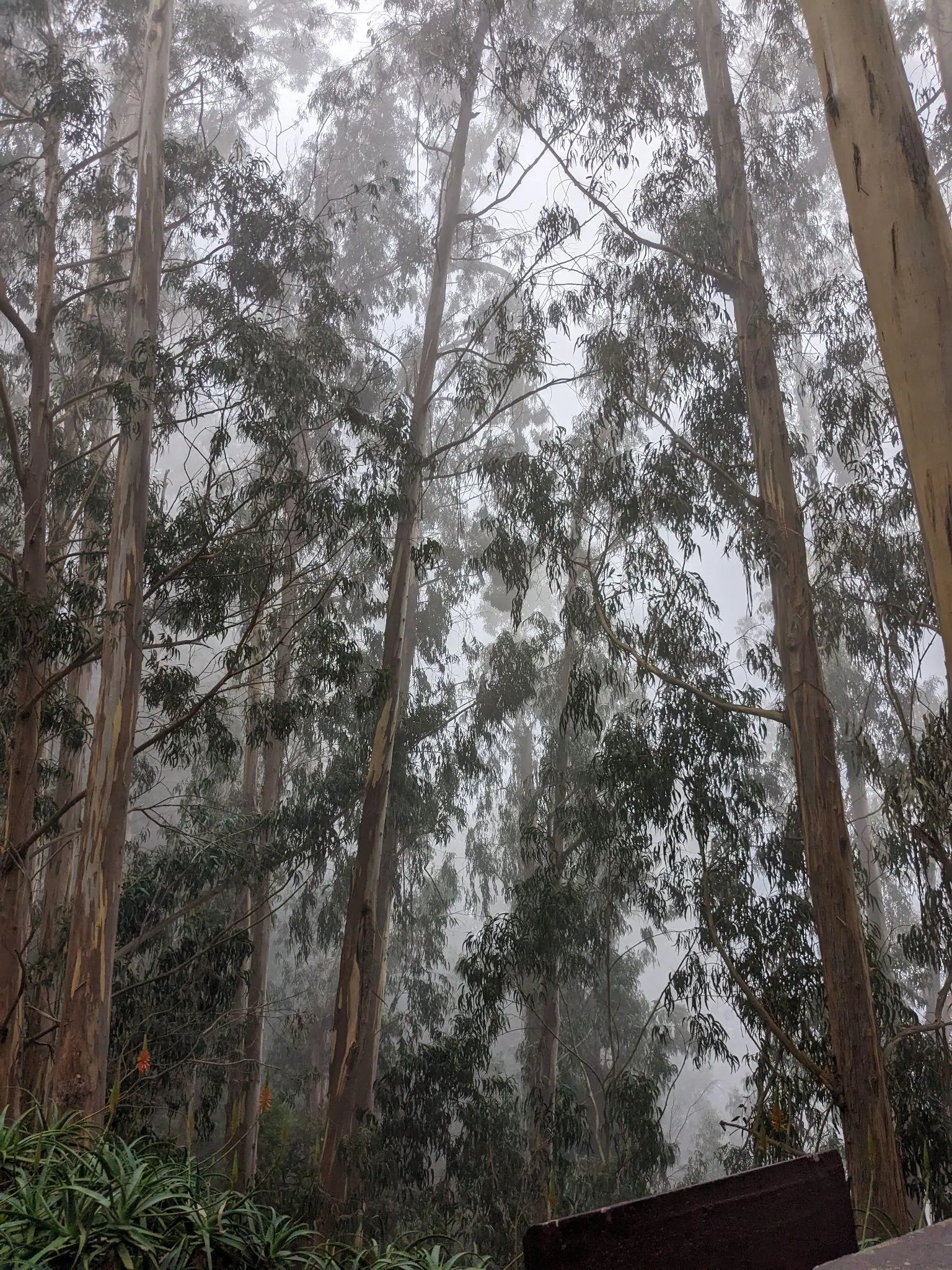
On the way back we passed a spot near the Miradouro da Malhada, up in the misty forest above Funchal, where the fog was moving through the trees so beautifully that we just stopped the car and stood in it. Not planned, and impossible to repeat - the kind of moment you only get with a car and no fixed schedule.
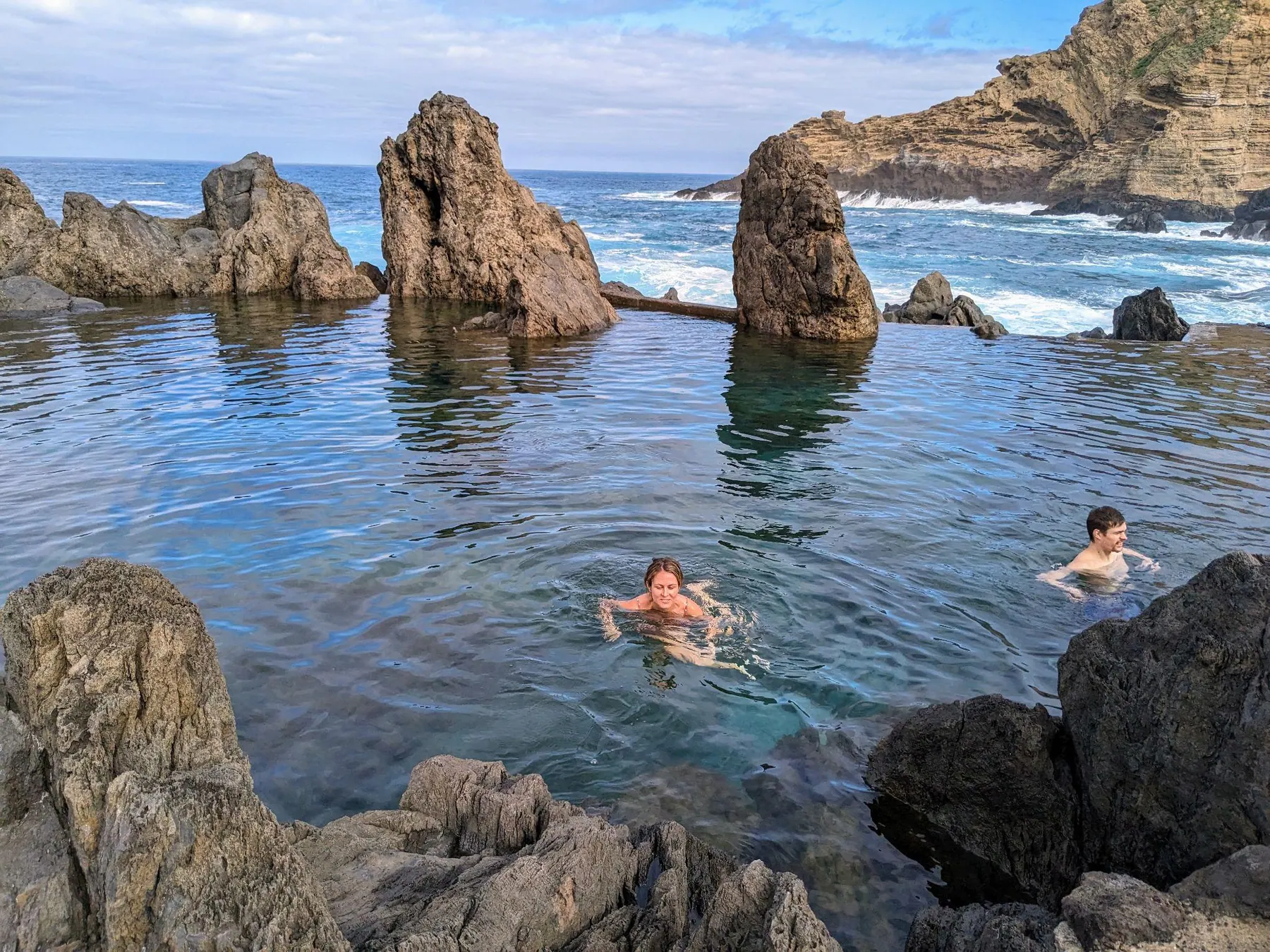
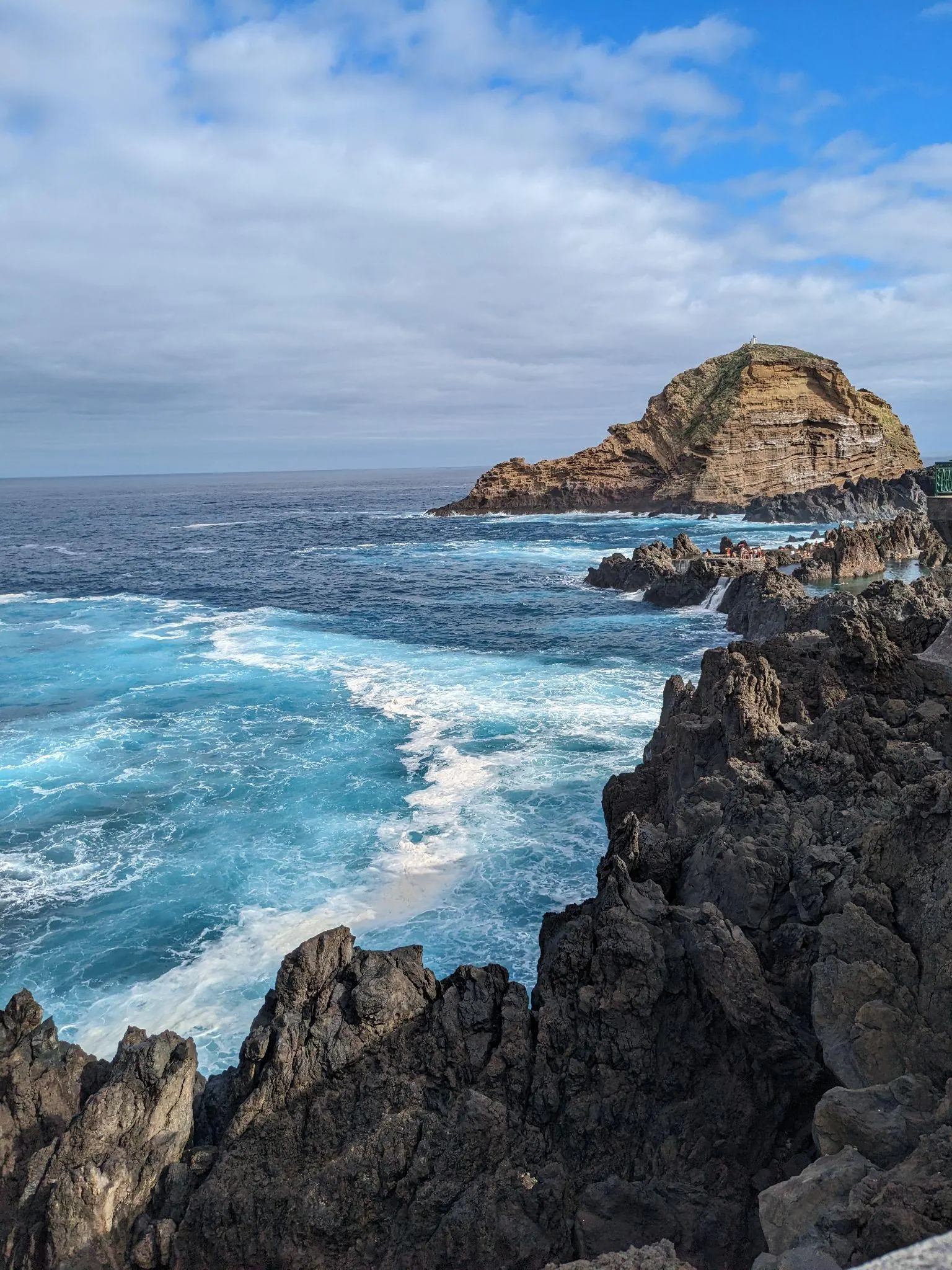
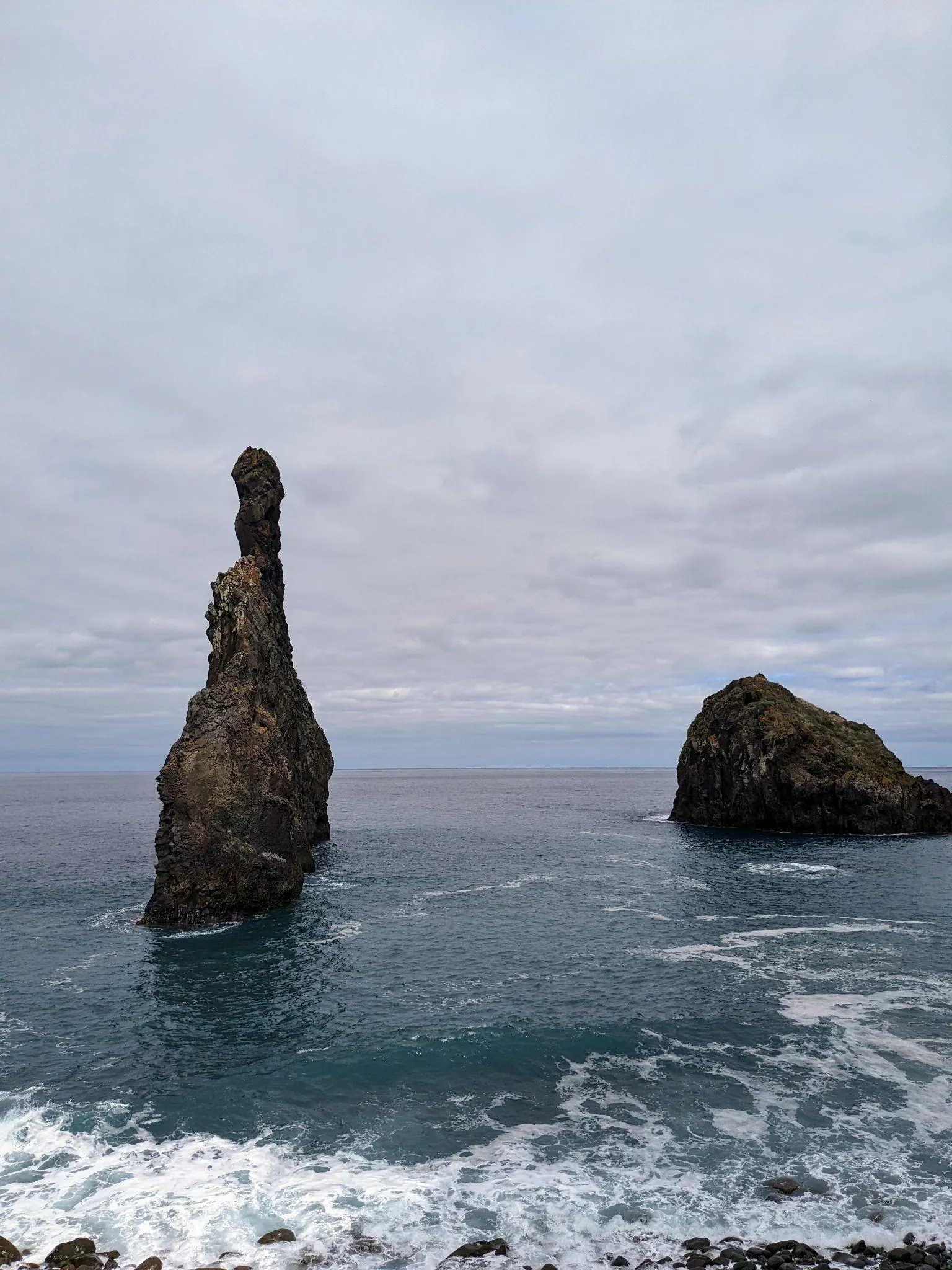
Then west to Porto Moniz and its famous natural swimming pools - volcanic rock basins where the ocean flows in and the waves crash against the rock walls while you swim, safely. It’s amazing, that feeling of being in the wild sea and yet protected from it. But - and this is a real warning, not a small note - don’t expect a soft sandy entry. It’s all hard, sharp volcanic rock, and getting in and out is tricky. This is exactly where my mum caught her foot on a sharp edge and cut it badly enough that she could barely walk the next day, so better wear water shoes and take your time.
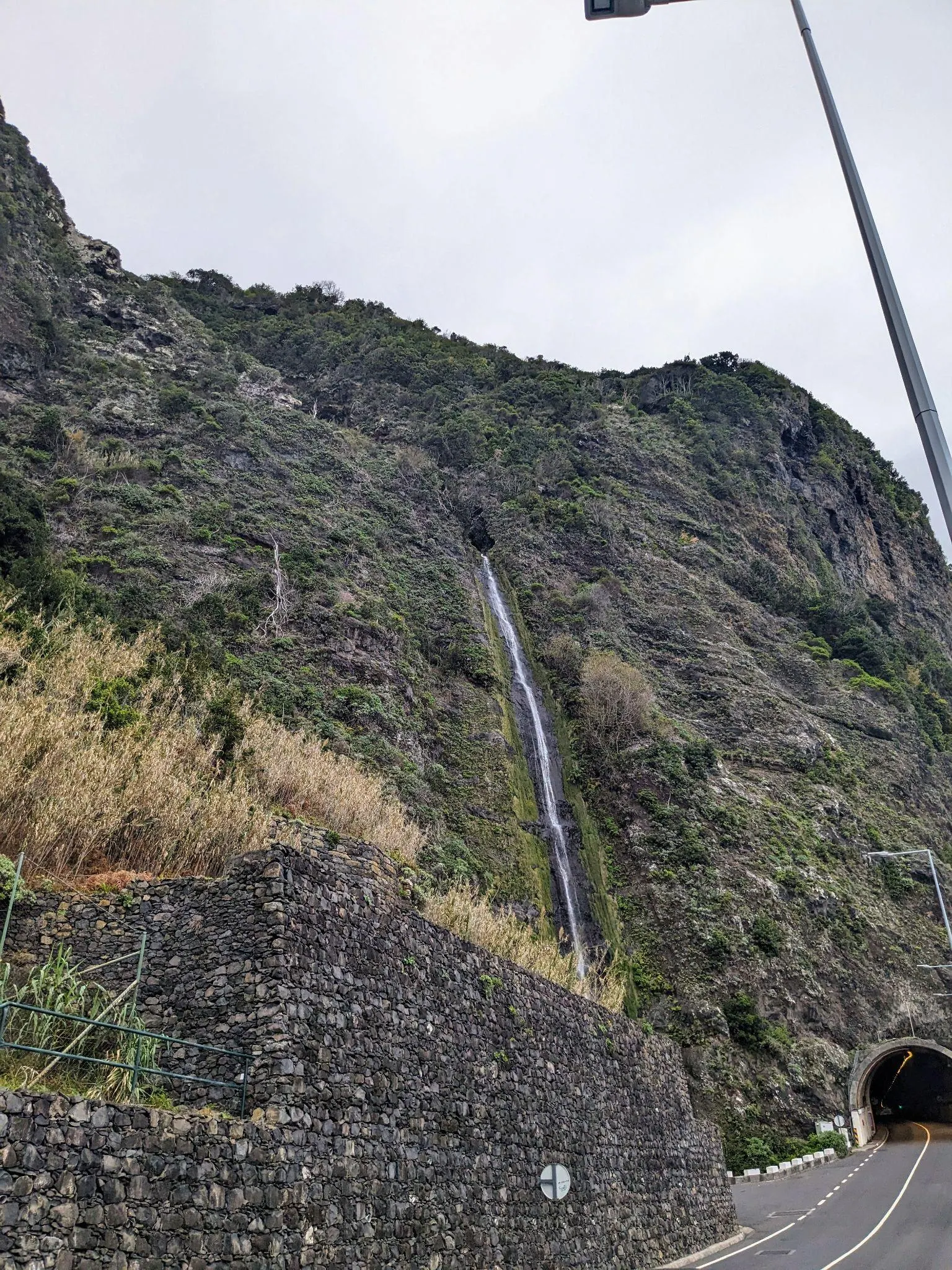
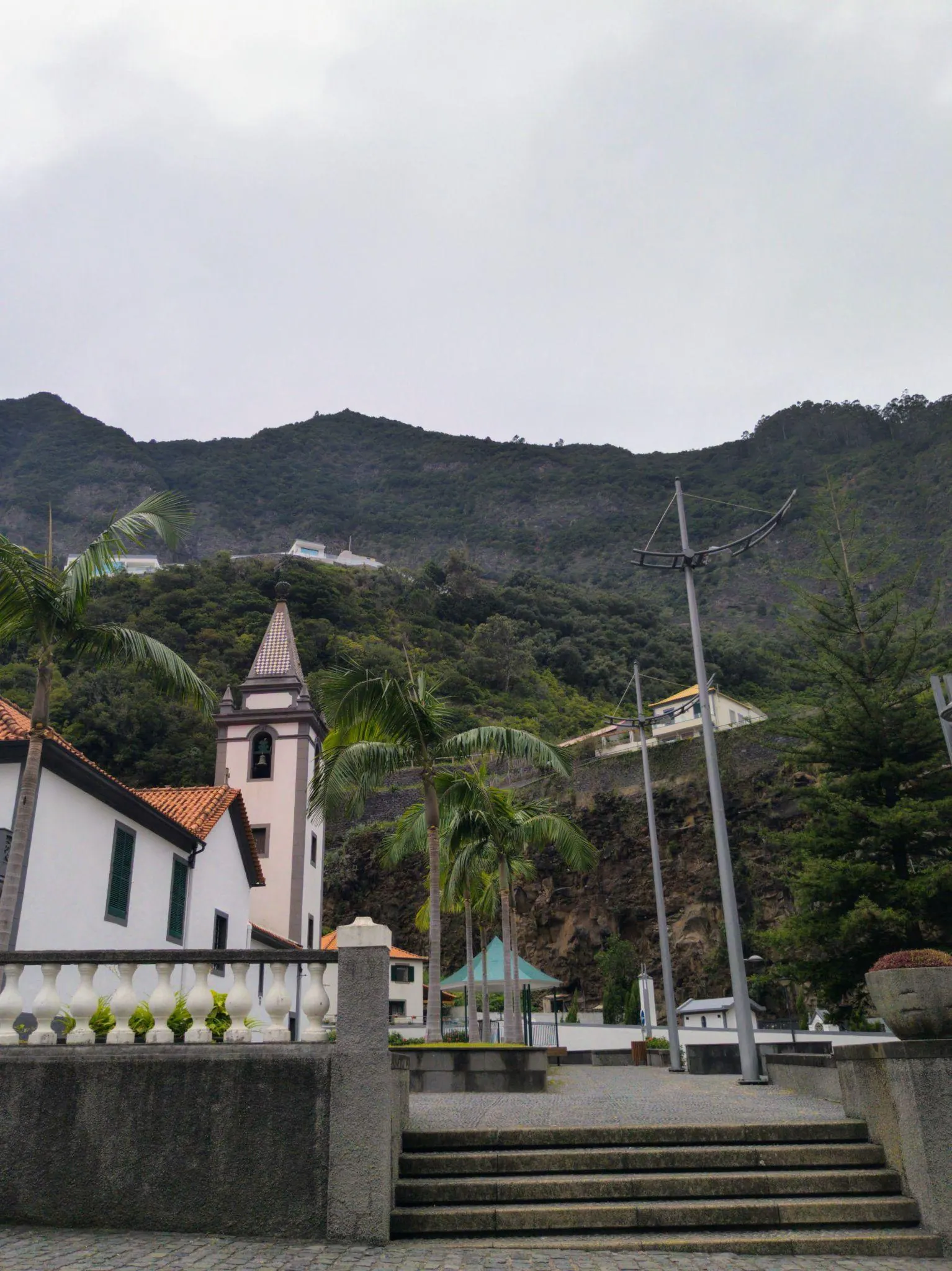
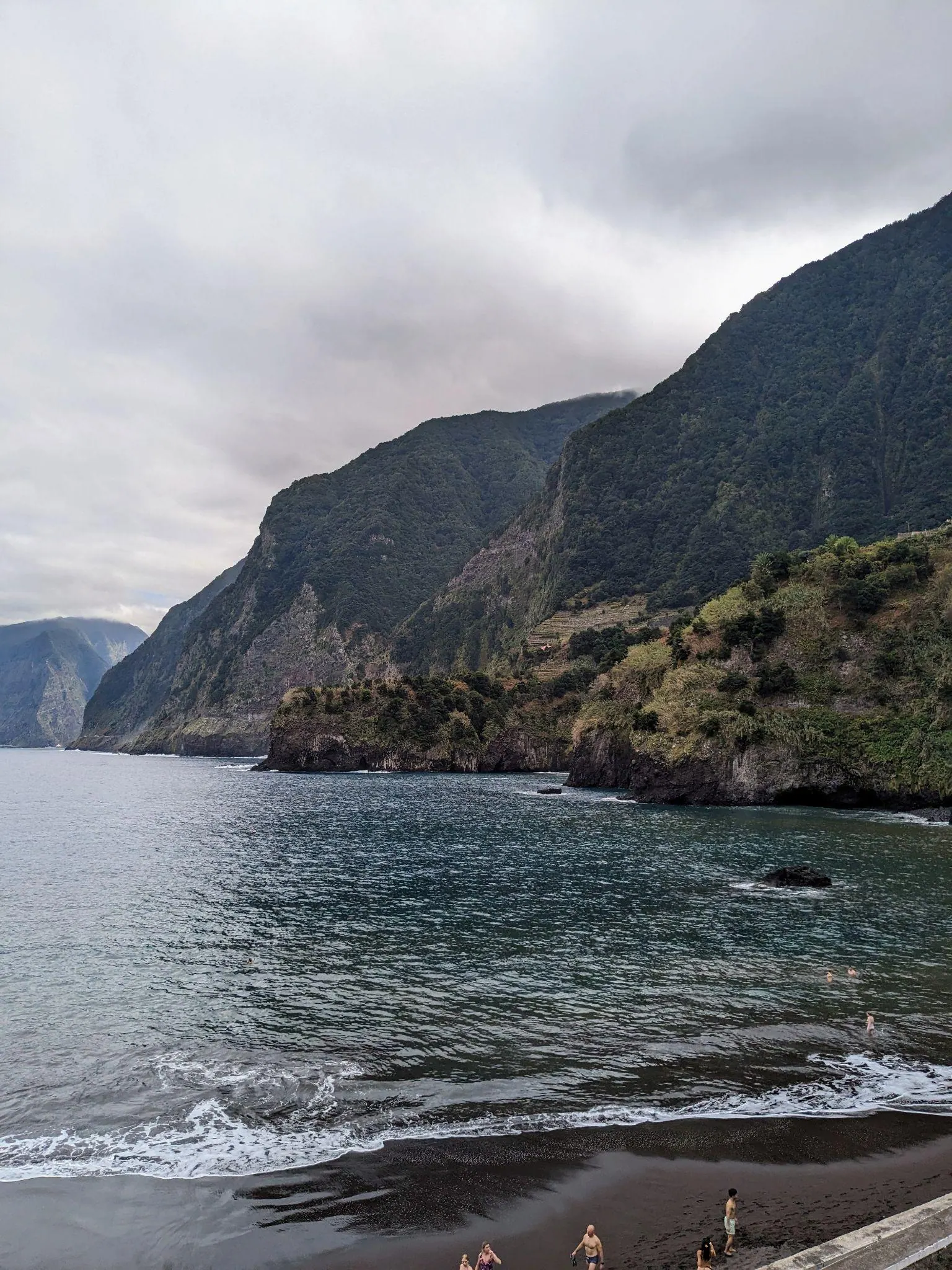
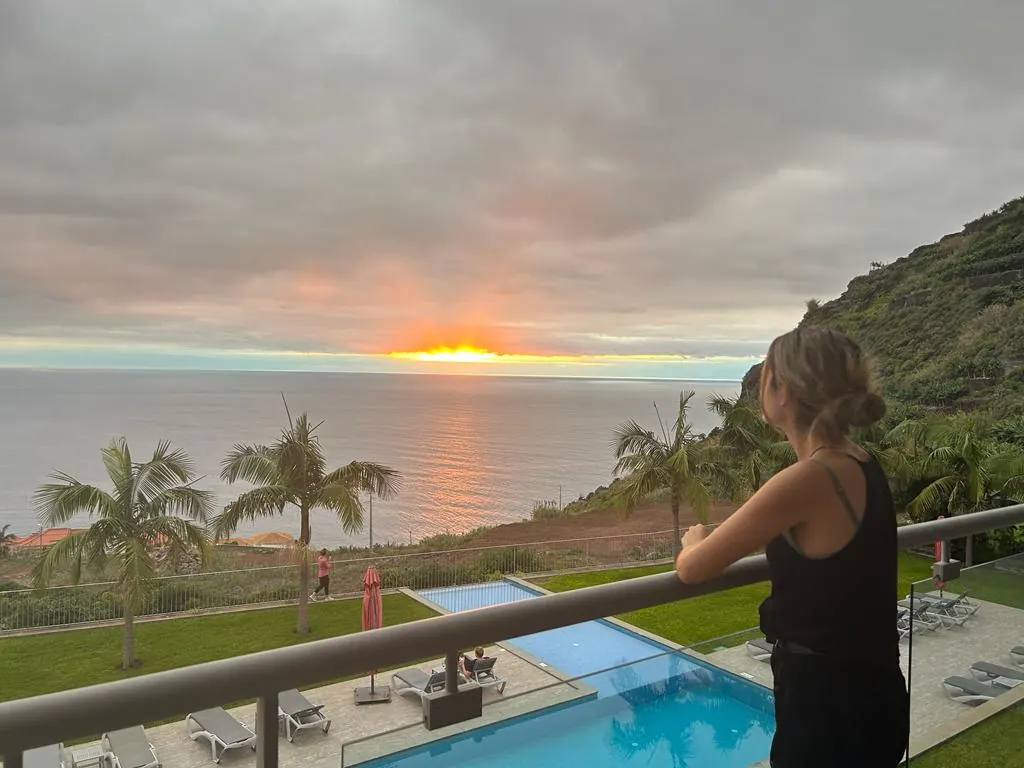
We carried on along the north coast - a quick stop under grey skies at the black sand of Praia do Seixal (pretty, but a cloudy evening cut it short), a short pause in São Vicente - and then arrived at our west-side base for the night, tired in the good way. This was the Engenho Velho hotel restaurante in Arco da Calheta, a small hotel, with wide ocean views and a restaurant good enough that we happily ate in rather than driving out again. Definitely a recommended place.
Day 5: What a levada actually is, and finally, the poncha
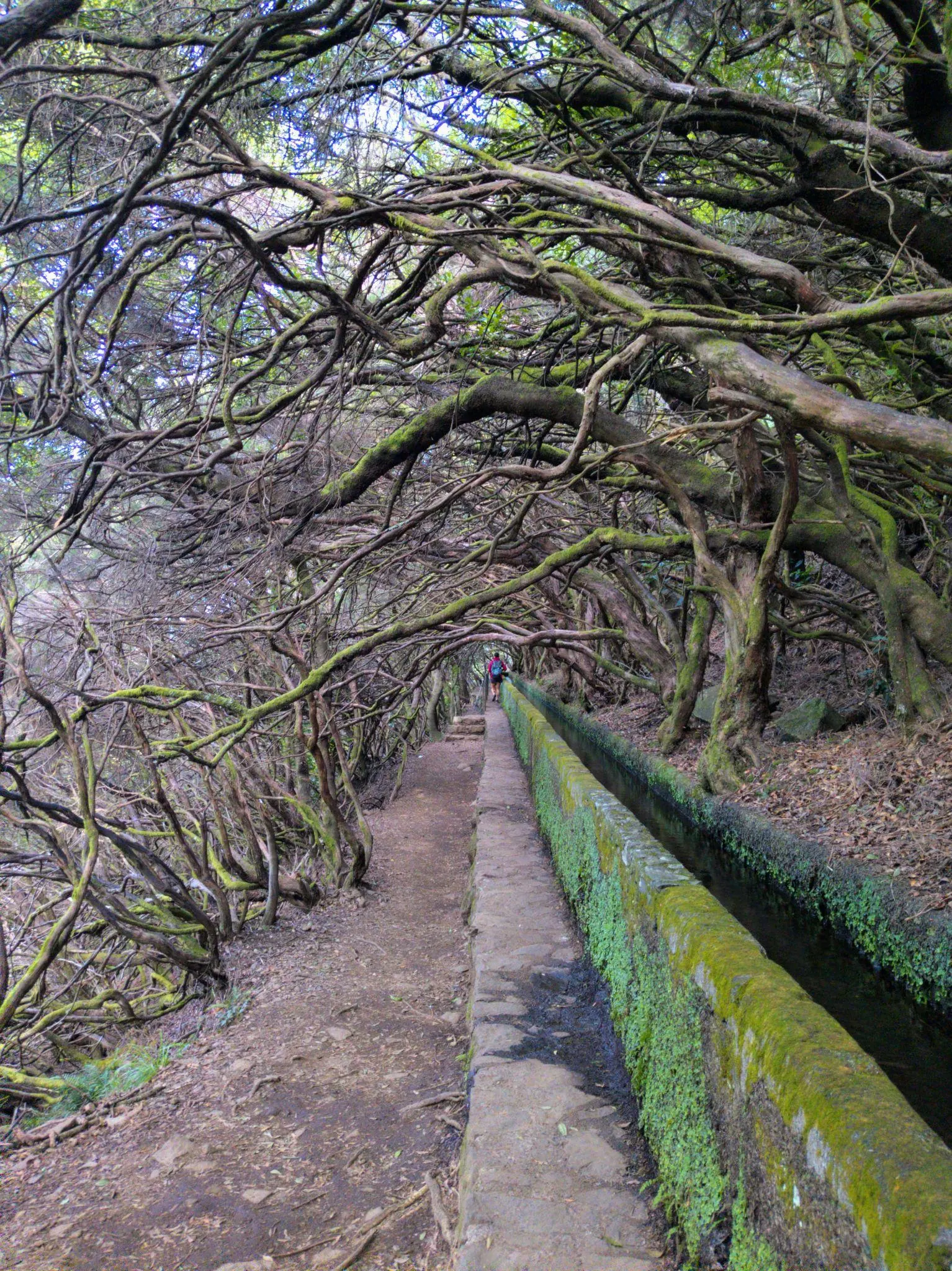
First, a quick explanation, because you’ll see the word “levada” on every trail sign in Madeira. Levadas are the island’s old water channels - narrow paths of water cut across the mountains to carry it from the wet north to the drier, farmed south - and next to almost all of them runs a footpath. That’s the clever thing about hiking here: the levadas gave the island a ready-made network of trails along the water, through land that would otherwise be very hard to cross.
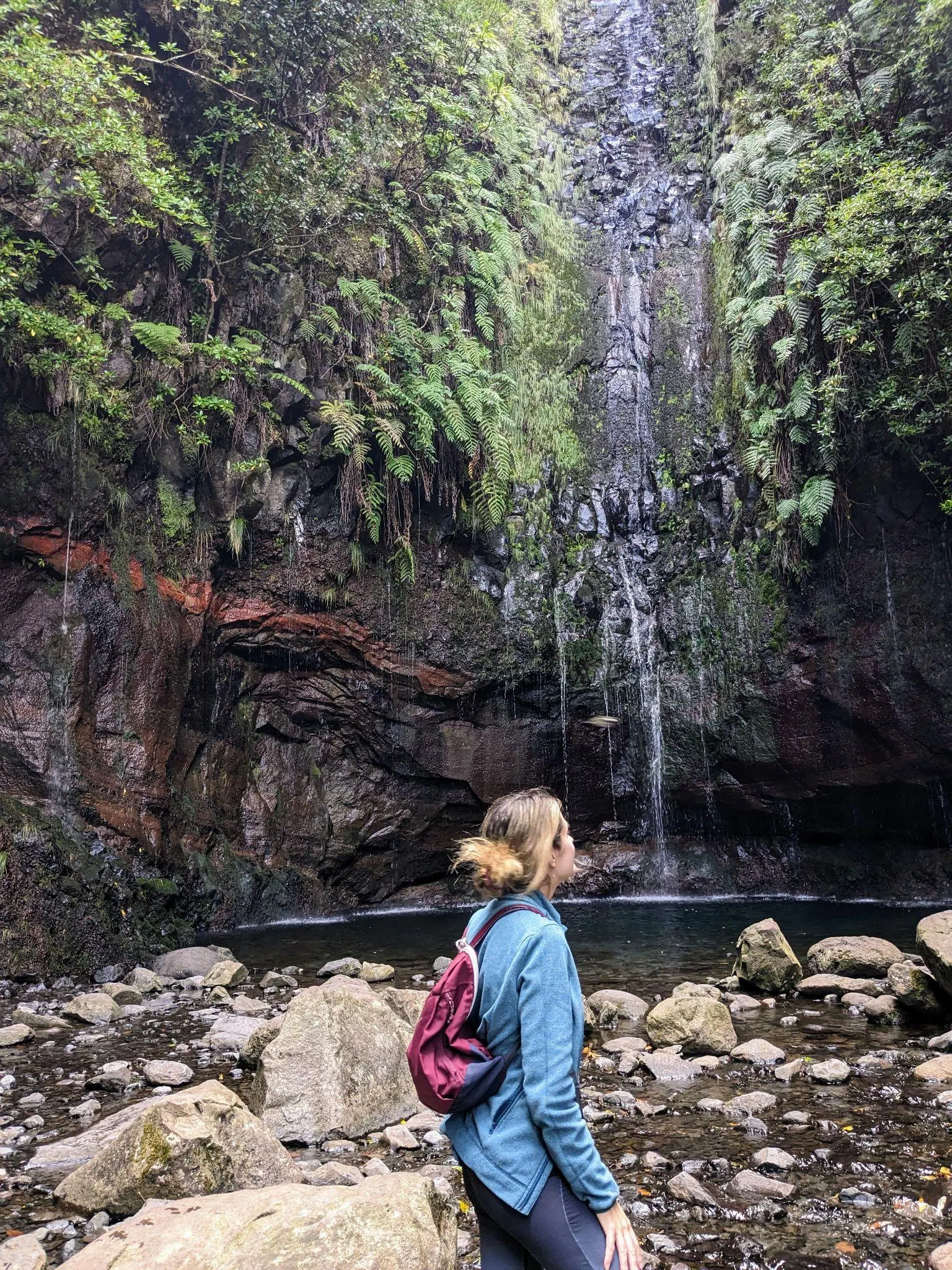
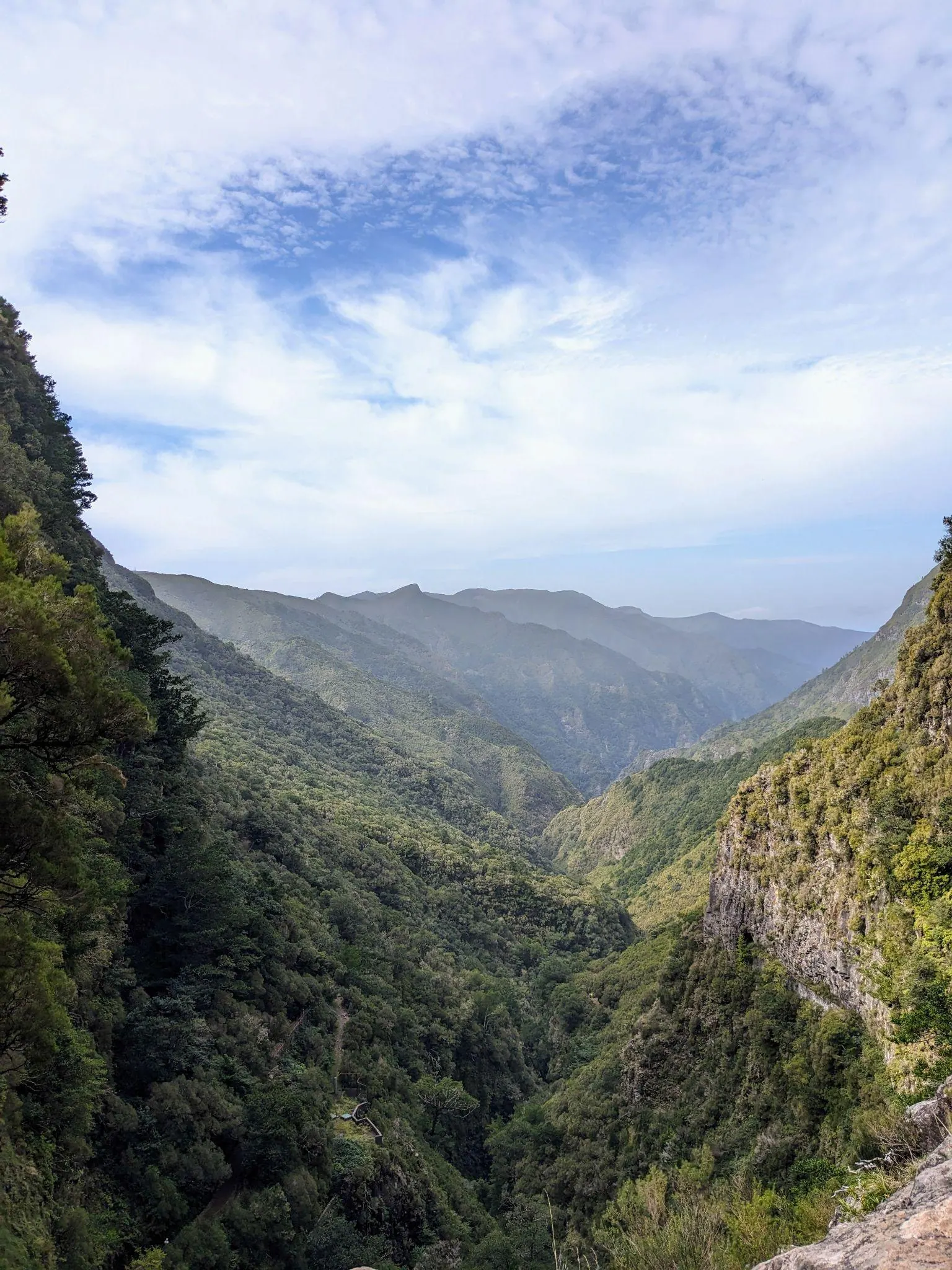
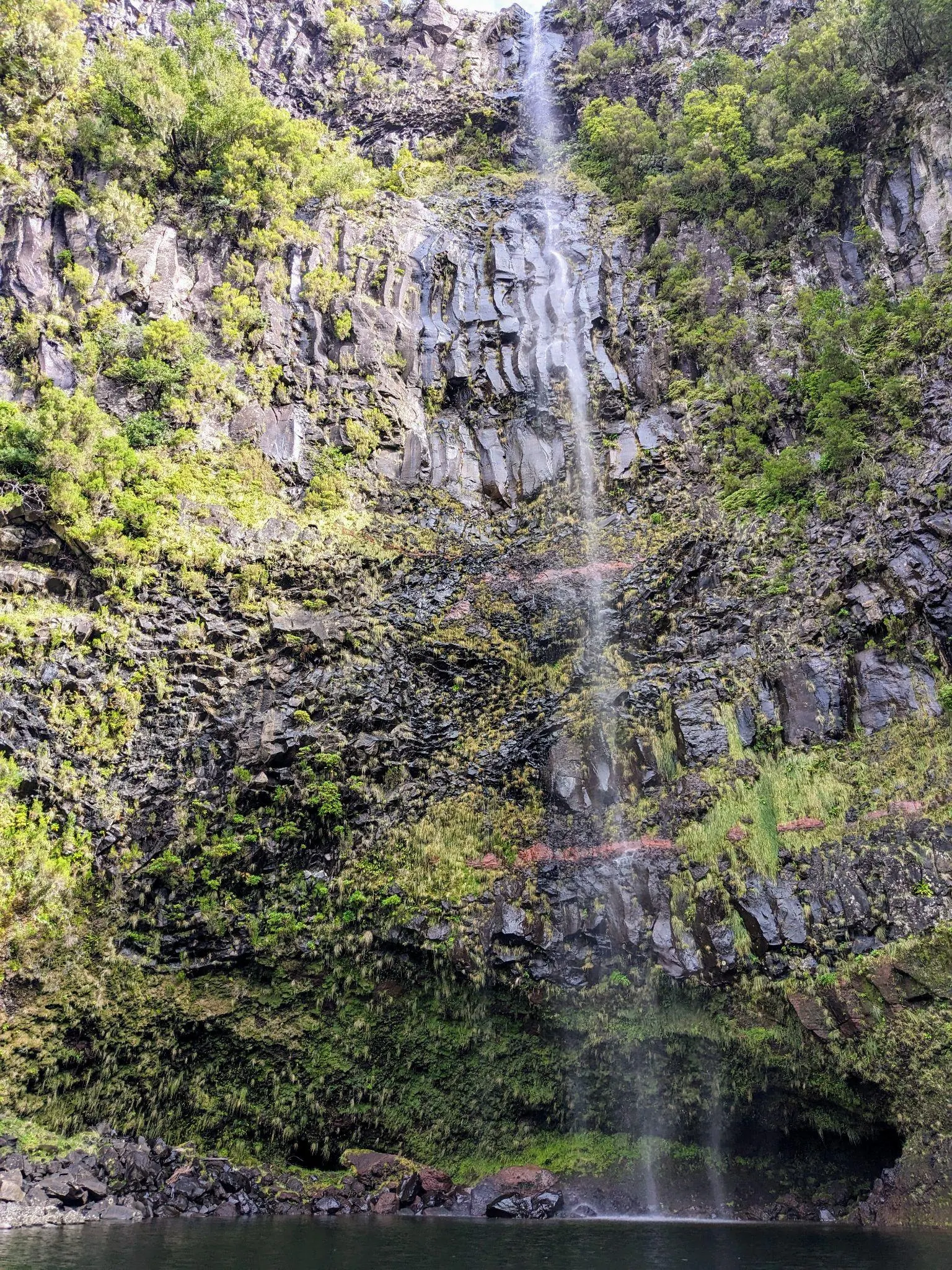
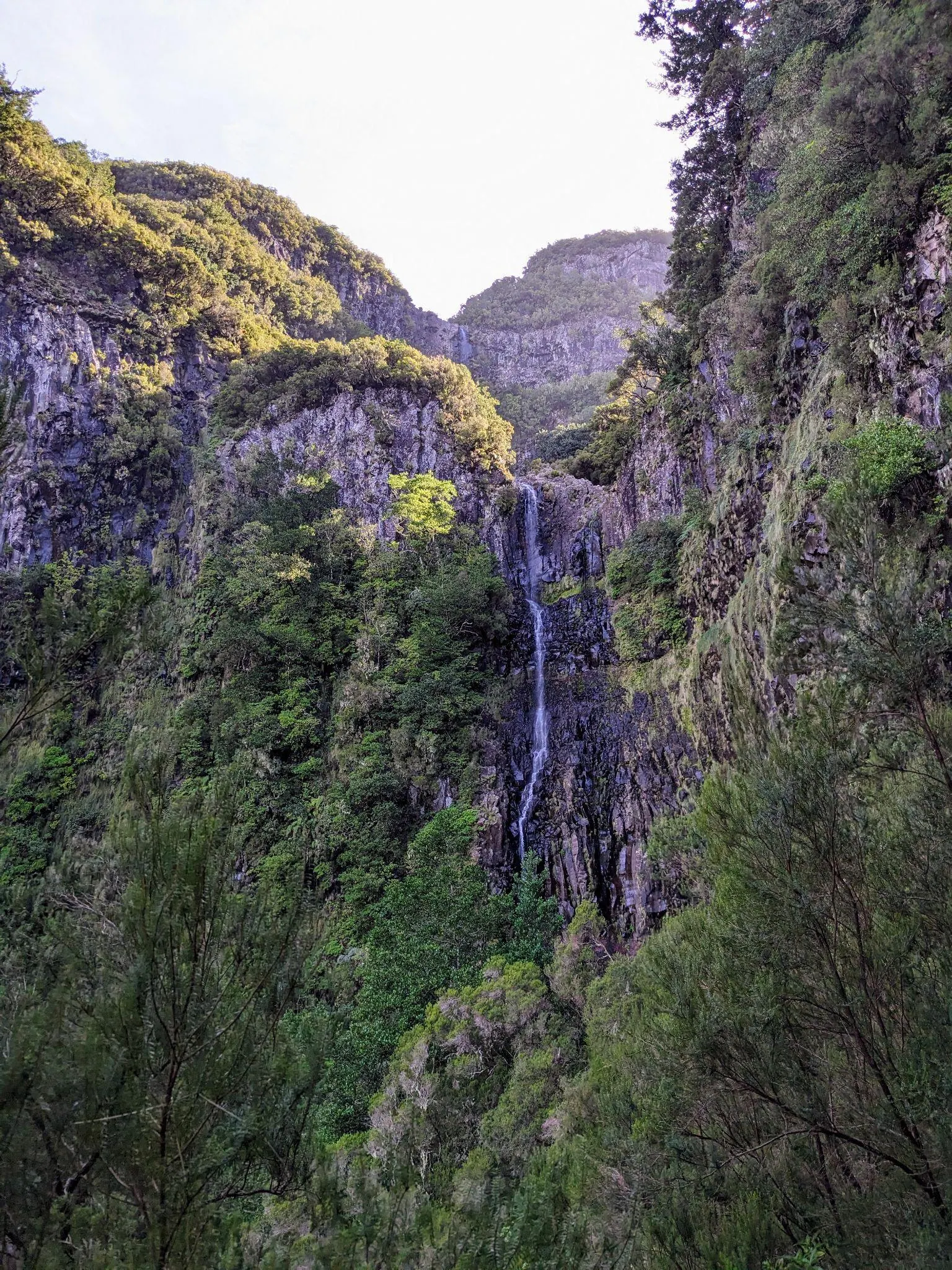
We chose the Levada das 25 Fontes up in Rabaçal, one of the most beautiful and most classic walks on the island. Honestly: it’s popular, so you won’t have it to yourself. But the parking is clearly signed, the trail is easy to follow, and it’s beautiful the whole way - not just the waterfalls (Risco, the 25 Fontes falls themselves, Lagoa do Vento) but the path in between, with valleys and trees above you and the constant sound of water. It’s not a hard walk, but it’s a long one if you let it be. We went up a few smaller side paths because we wanted more, and got back to the car after about four and a half hours, completely worn out - and it was worth every minute.
Two November notes from this day. First: the days are short - the sun was gone by about six, which really changes how much you can fit in, so start early and don’t plan a hike for late afternoon. Second: we drove back to Funchal that night, not because the west had run out of things to do, but because I’d booked a guided tour of Pico do Arieiro for the next morning with a pickup from the hotel in the city. That finally brought the poncha moment - the drink I’d been saving since the first night. It’s sweet, it’s strong, it tastes like a holiday, and it does not care about your plans for tomorrow.
One booking tip I learned the slightly hard way: the sunrise Arieiro tours are very popular and sell out. I booked at the last minute, the day before, and the sunrise slot was already gone, so I got a normal morning departure instead. If you want the sunrise, book well in advance.
Day 6: Pico do Arieiro to Pico Ruivo - the whole trip in one hike
If the week had a high point, in every sense, this was it.
I booked a transfer tour service to Pico do Arieiro. A friendly guide picked me and other visitors up in a minibus (I paid around €30 in 2023; it costs more now, and the trail itself needs a paid booking these days - more on that below) and shared facts and tips about the island on the drive up. At the top, the driver and guide waited with the bus while we walked the ridge on our own, at our own pace, which suited me perfectly.
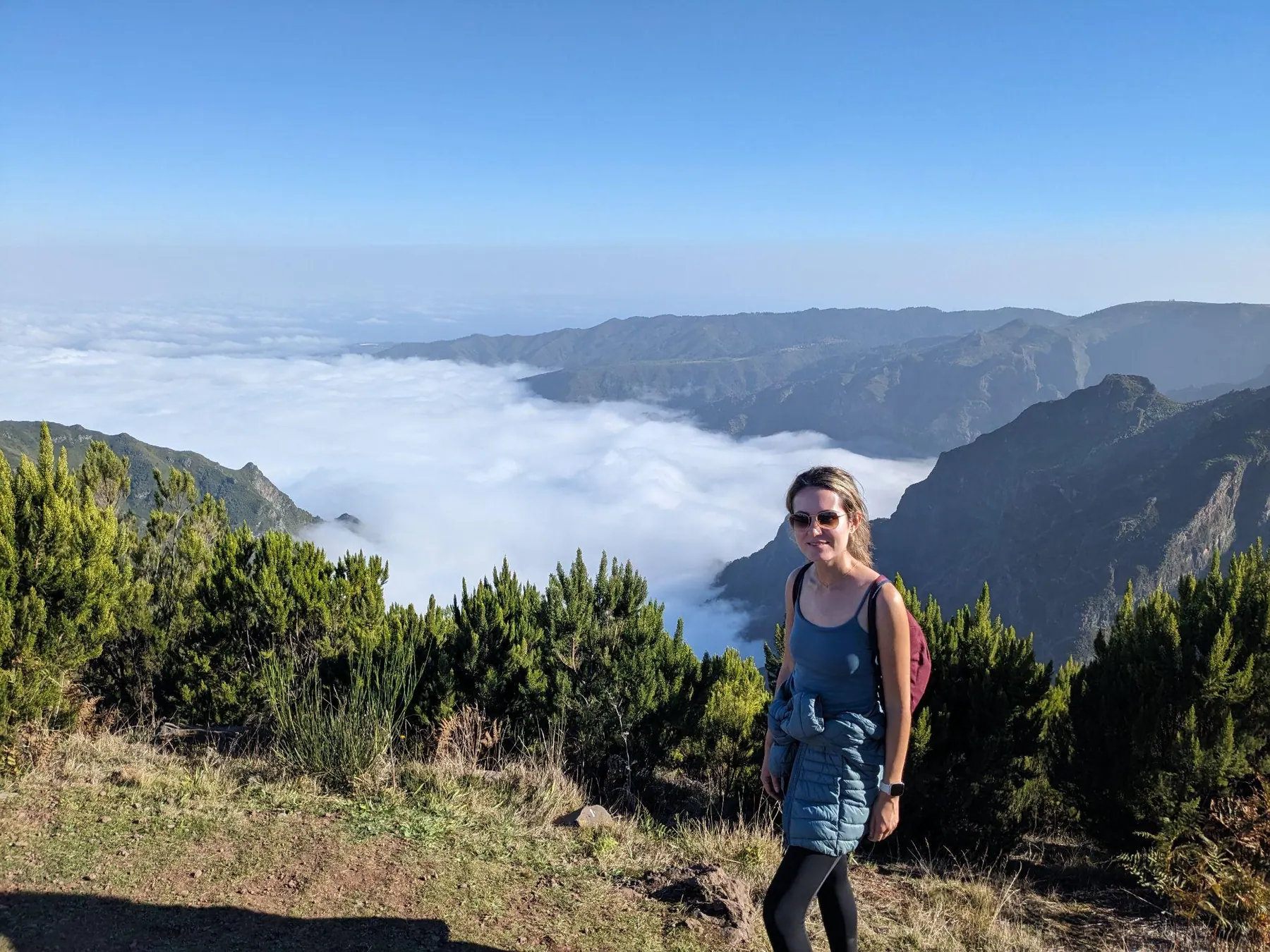
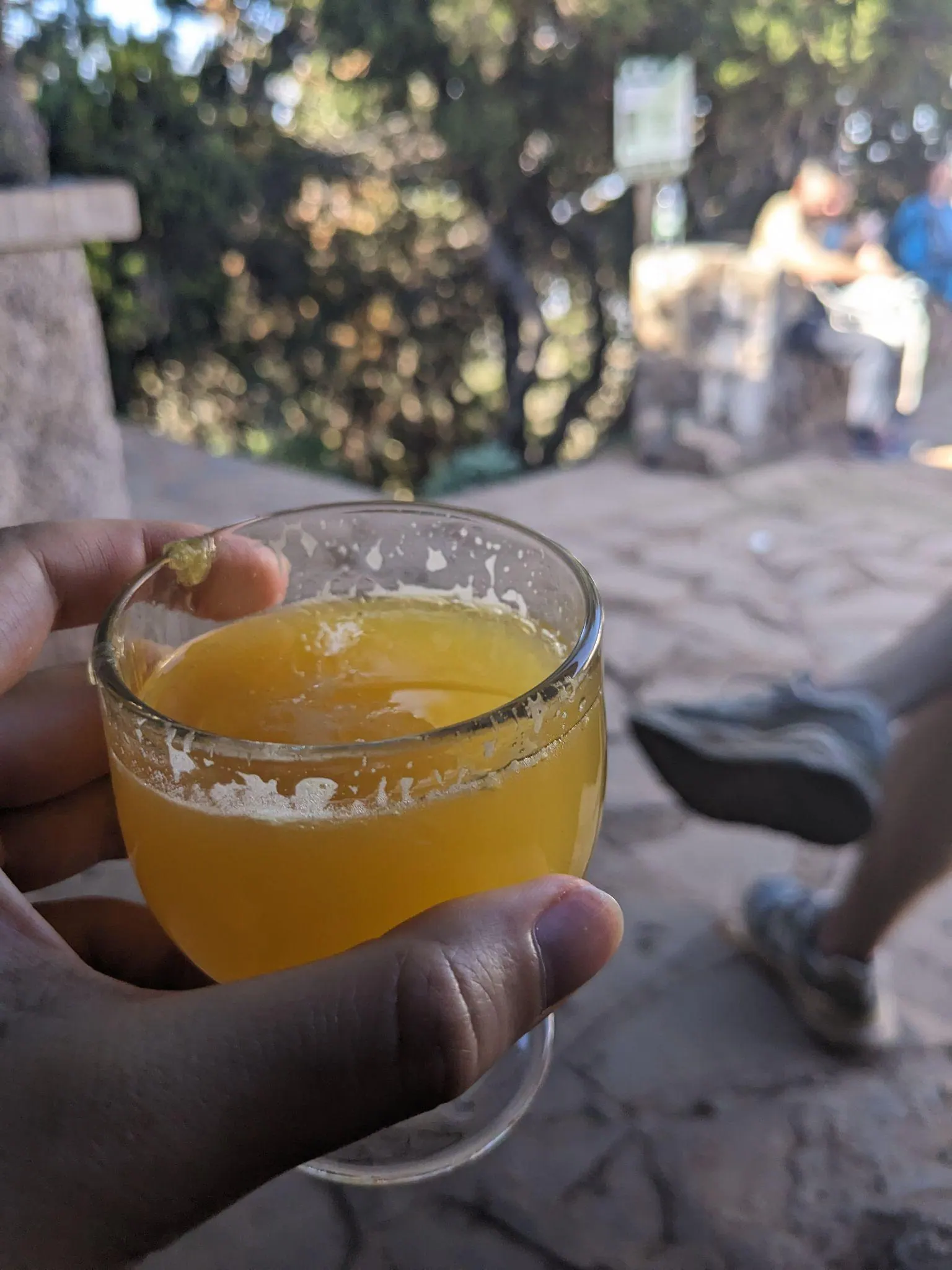
This is the Pico do Arieiro to Pico Ruivo trail, Madeira’s most famous walk, joining the island’s highest peaks along a rocky ridge. It is not an easy one. There are sections of steep steps cut into the ridge, you’re in full sun almost the whole way, and you’re high up - so good shoes are a must, and so is sunscreen. It took me a bit over four hours with all my stops, towards the end I stopped by a small cafe/restaurant for poncha.
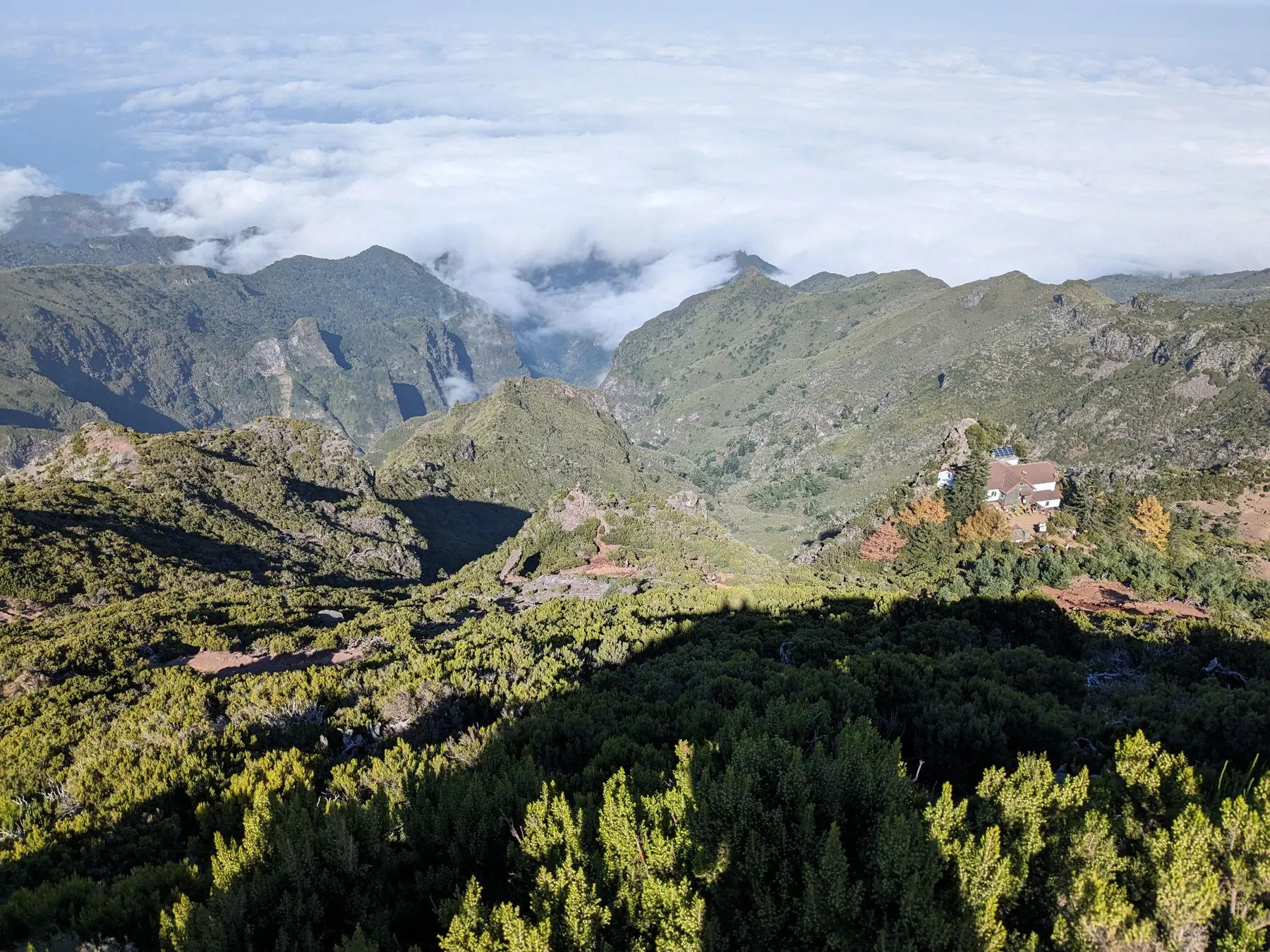
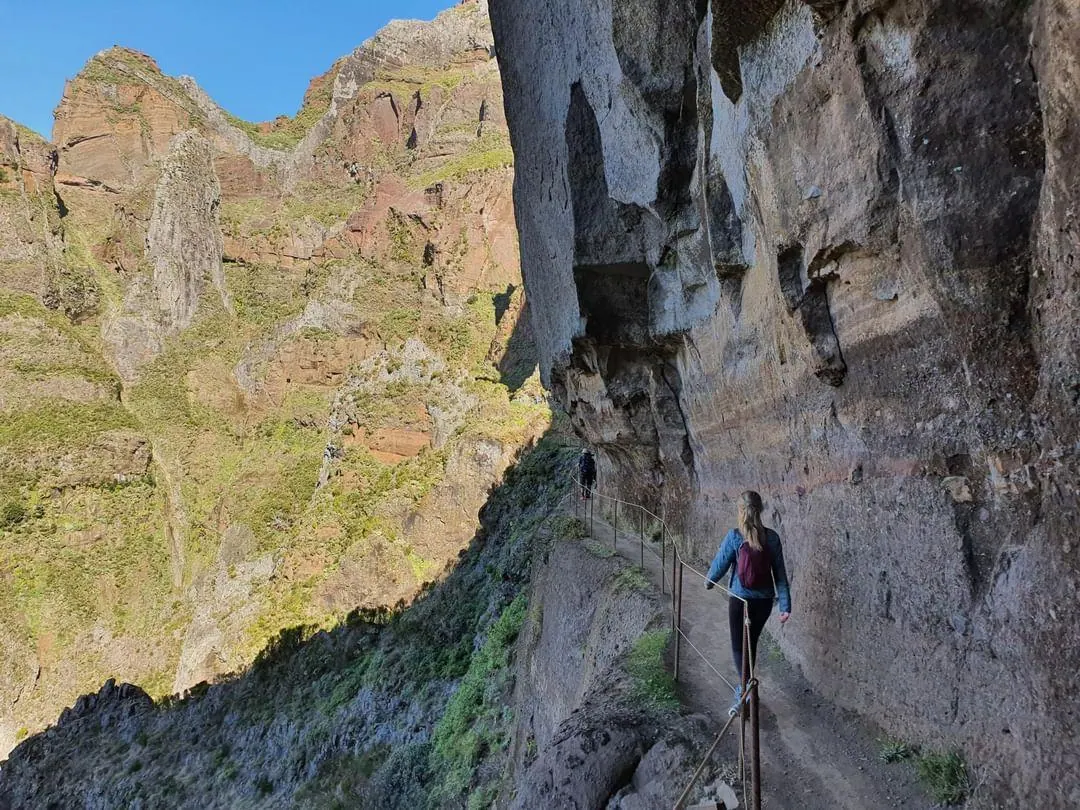
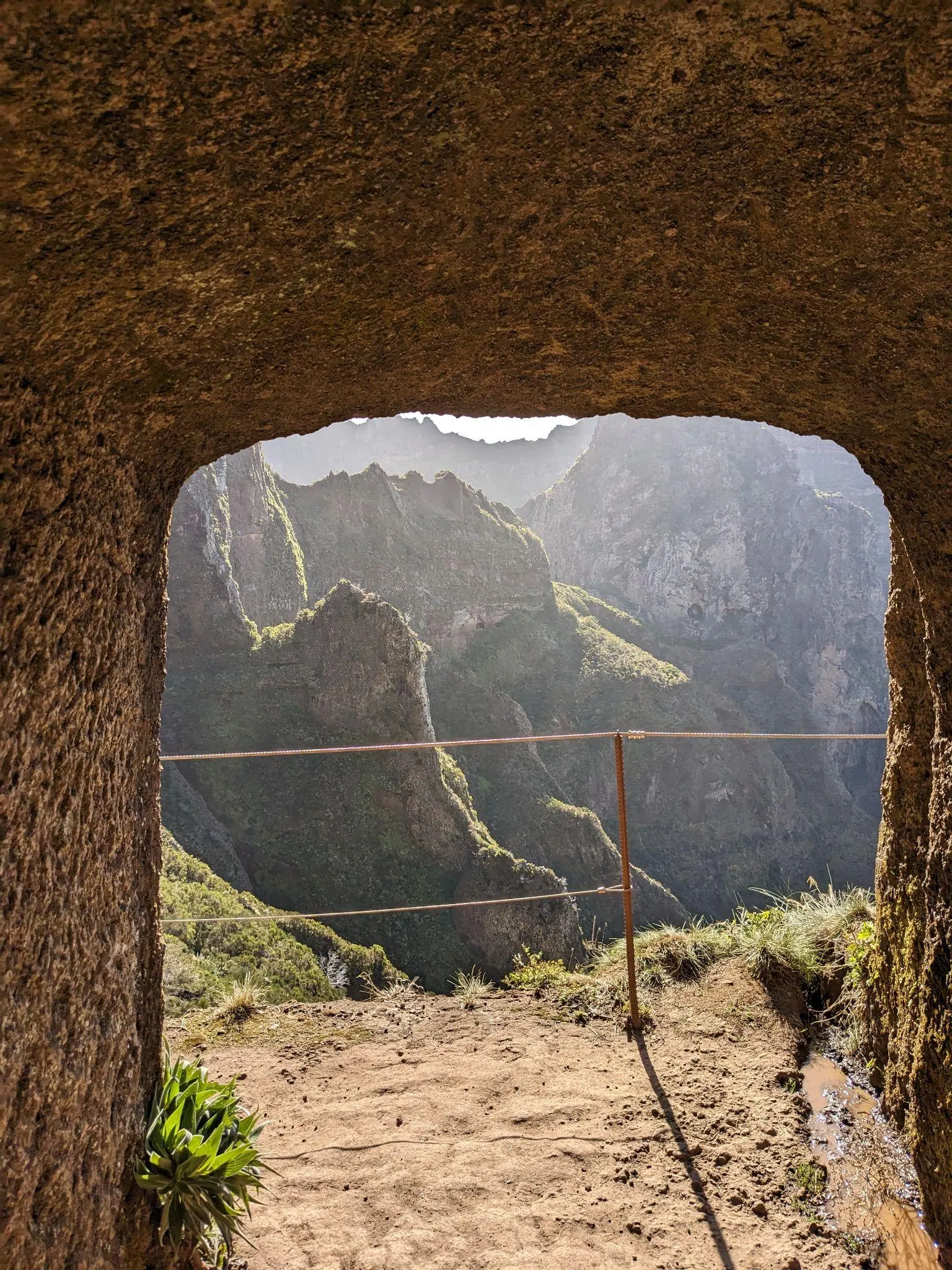
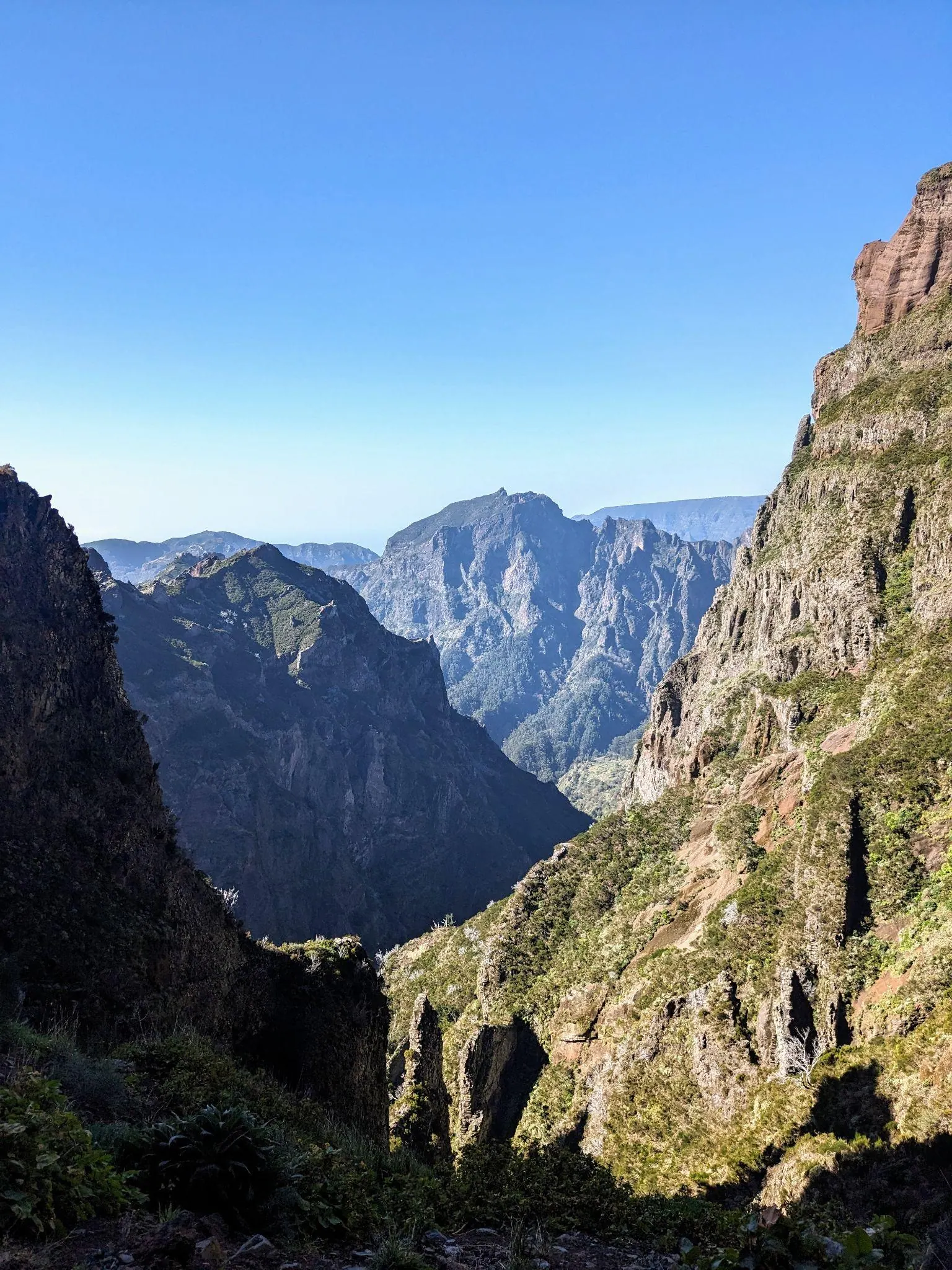
And the memory that has stayed with me more than any other from the trip is from up here: walking up into clouds that sat exactly at my eye level, so I was level with the sky instead of under it. It honestly felt like something out of a painting. If you take one thing from this whole article, let it be this: this is the hike, and it sums up the sporty, non-beach character of the whole island in one ridge.
On the way back, the minibus stopped at the Miradouro do Guindaste. You’ll remember Guindaste from Day 3, when the clouds hid the view. It was grey again - the second time the clouds beat me to that exact spot.
Day 7: The long way down
The last morning had no big hike, just a flight back to Valencia - and one final funny moment that felt like Madeira’s landscape getting the last laugh, just like it had got the first.
When we returned the rental car, we were told to park it right in front of the rental office. Simple enough, except the office was on a street so steep that, tired after a week of these roads, we simply couldn’t get the car to sit where they wanted it. In the end a girl who worked there had to come out and sort it out for us.
A few words on food
I came to Madeira for the nature, not the restaurants, so treat this as a short list rather than a foodie’s guide. A few local things are worth trying, though. Bolo do caco is the island’s round flatbread, usually served warm with garlic butter, and it turns up everywhere for good reason. Espetada is beef grilled on a skewer of bay laurel wood - simple and very good. If you like fish, look for espada, the black scabbard fish, often served with fried banana, which sounds odd but works. To drink, there’s Madeira wine, or poncha. And the market in Funchal is worth a slow wander just for the tropical fruit.
What I skipped (and would do next time)
A week let me see a lot, but not everything, so here’s what I missed. I never made it to the Fanal forest, the famous one with ancient, twisted laurel trees that look unreal in the fog - the misty forest I stopped at was a different, smaller one. I skipped whale and dolphin watching, which is a big draw off the south coast. I took the bus up to Monte instead of the cable car, so I can’t tell you whether the ride is worth it. And if you truly want a beach day, there’s Porto Santo, a separate island with real golden sand, reachable by ferry - the one thing Madeira itself doesn’t really offer. Next time I’d add a few of these, plus more of the levada walks in the east.
Know before you go
- It’s not a beach island. Come for the nature, plan hikes, and it can be one of the best weeks you’ve had.
- You need a car for the island, not for Funchal. The city is fine on buses. The interior and coast are not. And the roads are stressful - steep and full of sharp turns.
- Split your base. A few nights near Funchal (São Martinho worked well for us), then move to the west (we used Arco da Calheta). It saves hours of driving back and forth.
- November is a decent bet for weather but has short days. We had a great week; just start early, because it’s dark by about six.
- Always wear proper shoes. The volcanic rock is sharp (ask my mum’s foot), the ridge trails have serious steps, and the open hikes need sun protection.
- Book the sunrise tours in advance. Last minute gets you a daytime slot, which is still great.
- The big peaks now need a booking. Since 2026, the Pico do Arieiro-Pico Ruivo trail (and many others) needs a paid reservation with a time slot - about €10.50 per person on your own, or around €7 if you go with a guided tour, which usually arranges the permit for you. This is new since my trip, so plan ahead.
- Don’t overthink Santana. Stop if it’s on your way; don’t change your route for it.
Madeira is often called one of the most beautiful islands in the world, and some people even call it the “European Hawaii.” Personally, I think that comparison sells it short - Madeira deserves its own attention rather than being measured against somewhere else. The nature is breathtaking, it doesn’t look like the landscapes you find on the mainland, and it feels like its own world. What struck me most was how unspoiled it felt: I barely noticed big resorts, and the nature seemed wild and largely left alone. For me, it was one of the best nature trips I have ever done.
Practical questions
Is Madeira good in November?
Yes. We had a great week in November, but the days were short and it was important to start early.
Do you need a car in Madeira?
You do not need a car for Funchal, but you need one for the island's interior, west coast and more flexible nature stops.
Is Madeira a beach holiday?
Not really. Madeira is better treated as a nature and hiking island, with mountain trails, levadas, viewpoints and volcanic coastline.
Read next
More posts for this trip mood
 Europe
 Norte, Portugal
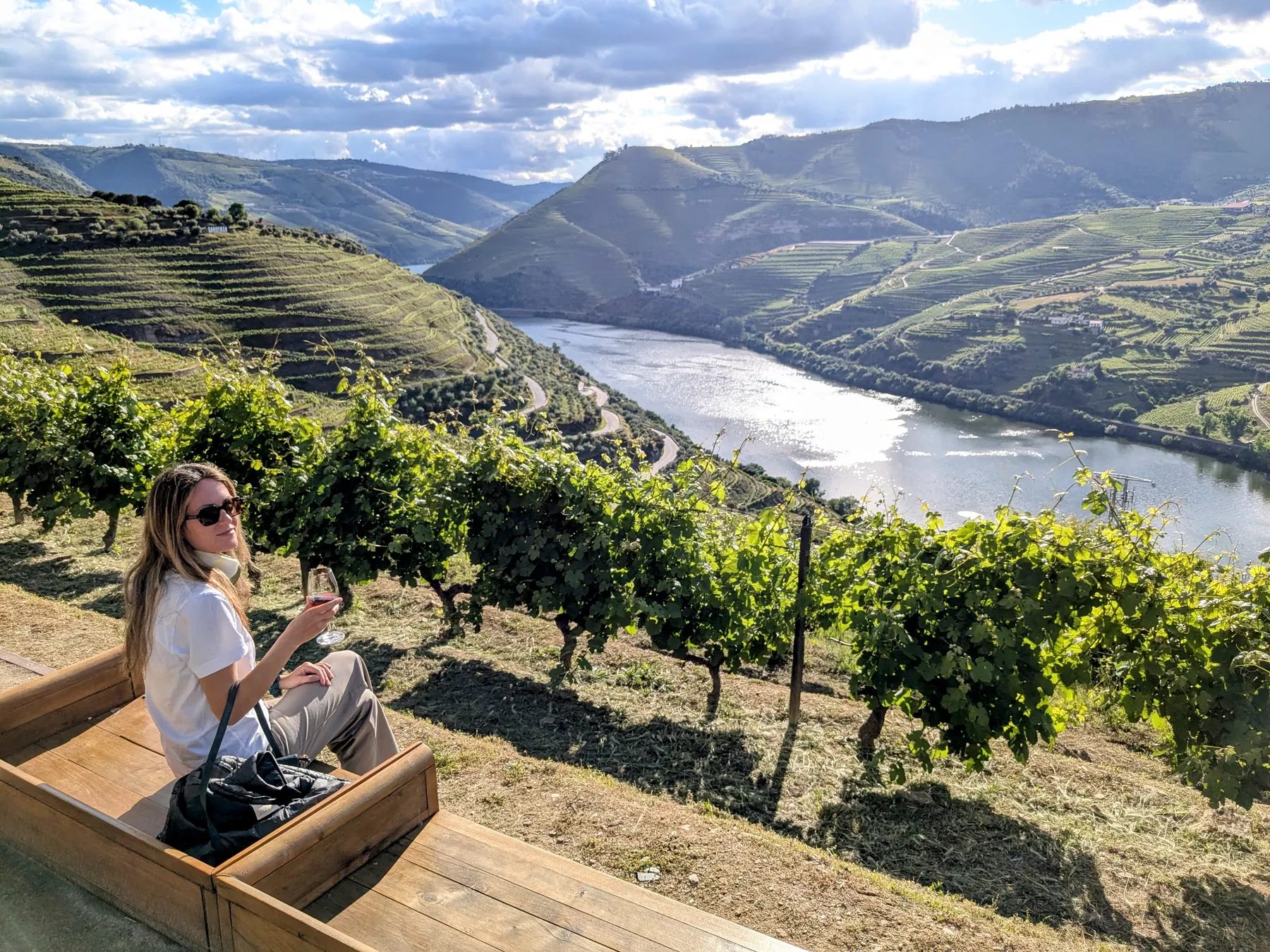
Douro Valley - Why You Can't Just Stay in Porto
Porto gives you the city. The Douro Valley gives you the reason to leave it.
A personal Douro Valley travel guide from Porto, with Lamego, Pinhão, the N222, a Douro River boat trip, Quinta do Seixo, Amarante and Citânia de Sanfins.
 Europe
 Porto and Vila Nova de Gaia, Portugal
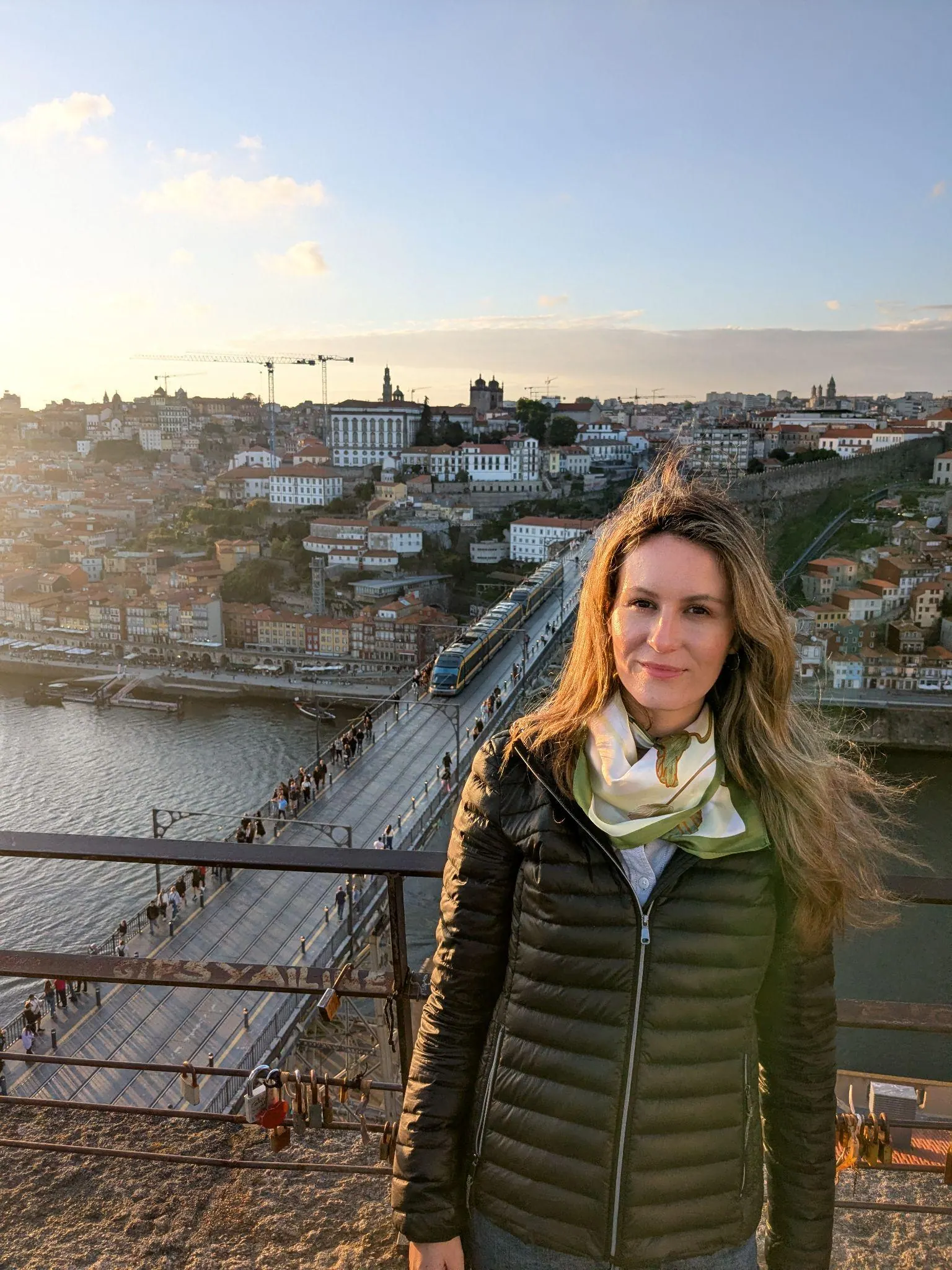
Porto and Gaia: The Two Faces of One City
Steep streets, one river, many tiles, and one pastry lost to a seagull.
A Porto travel guide for a long weekend: Gaia viewpoints, azulejos, Francesinha, Aveiro, a sea chapel, Livraria Lello, markets, gardens and practical tips.
 Europe
 North Holland, Netherlands
Amsterdam - More Than I Expected, Different Than I Imagined
Canals, crooked houses, free ferries, expensive water and one very memorable winter city break.
A personal Amsterdam winter travel guide with canals, Amsterdam Noord, Anne Frank House, Van Gogh Museum, markets, Dutch food, Moco Museum and practical February tips.